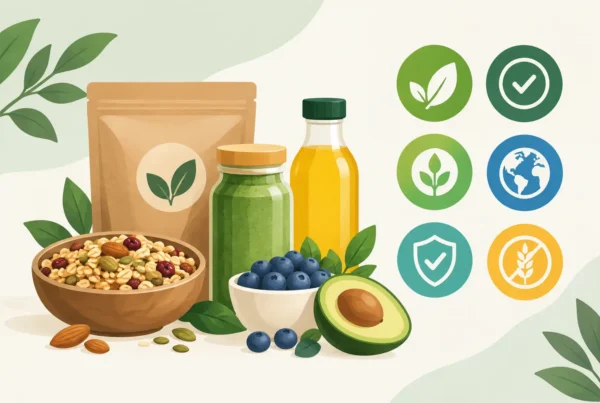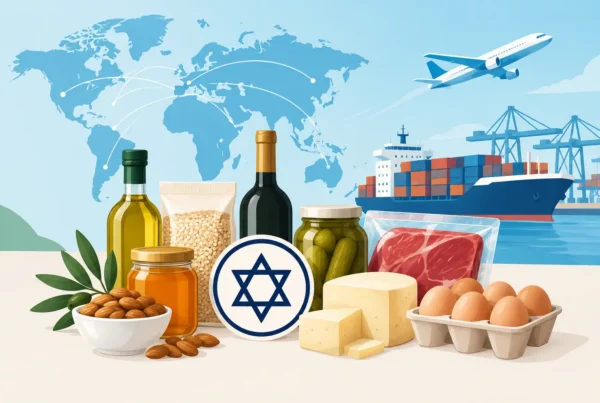


If you are asking what foods are kosher certified, the short answer is broader than most people expect. Kosher certification is not limited to a small group of specialty foods. It can apply to snacks, beverages, ingredients, dietary supplements, oils, flavors, sweeteners, produce items, and many processed products sold in mainstream retail. For manufacturers and brand owners, the better question is usually not whether a category can be certified, but what factors determine whether a specific product and facility qualify.
That distinction matters in commercial settings. Two products that look nearly identical on a shelf can have very different kosher status depending on their ingredients, sourcing, production lines, and cleaning procedures. A simple sparkling beverage may be straightforward to certify, while a plant-based protein blend or flavor system may require a deeper review. Kosher certification is ultimately about process and verification, not marketing language or product image.
What foods are kosher certified in the marketplace?
Kosher certified foods show up across nearly every aisle of a grocery store. Many conventional products qualify, including bottled drinks, coffee, tea, spices, baking ingredients, cereals, candies, sauces, condiments, frozen foods, and packaged snacks. In the natural products space, certification is also common for protein powders, functional beverages, herbal products, supplements, and specialty ingredients.
For businesses, this means kosher is not a niche designation reserved for one type of buyer. It is a widely recognized certification that can support retail acceptance, distributor requirements, export readiness, and broader consumer trust. Some buyers actively seek kosher products for religious reasons, while others associate kosher certification with oversight, ingredient transparency, and manufacturing discipline.
Still, not every food is equally simple to certify. Fresh whole produce is generally less complicated than a prepared meal. Single-ingredient products may move faster than formulas that use flavors, emulsifiers, enzymes, or co-manufactured inputs. The category matters, but the details matter more.
The main product categories that can be kosher certified
A useful way to understand what foods are kosher certified is to look at the major categories manufacturers bring forward for review.
Raw agricultural products
Many raw agricultural products can qualify for kosher certification, especially when they are minimally processed. Whole grains, beans, seeds, nuts, herbs, and many produce items often begin with a relatively simple profile. But simple does not always mean automatic. There may still be questions around shared equipment, insect inspection requirements for certain produce, or post-harvest treatments.
Processed foods and beverages
This is where certification becomes more involved. A packaged cracker, kombucha, chocolate bar, dairy alternative, or soup may contain multiple ingredients from different suppliers, each with its own kosher status. Processing aids, anti-caking agents, carriers, and minor ingredients can affect eligibility just as much as the headline ingredients on the front label.
Beverages are a good example. Water and unflavored seltzer may be very straightforward. Energy drinks, flavored waters, botanical beverages, wine-adjacent products, and fermented drinks can require much closer review because of flavors, colorings, sweetener systems, or specialized production steps.
Ingredients and bulk materials
Ingredients are frequently kosher certified because they are sold business-to-business and used by downstream manufacturers. This includes oils, starches, proteins, sweeteners, gums, acids, emulsifiers, flavor compounds, juice concentrates, and nutraceutical inputs. In many supply chains, kosher certification at the ingredient level helps finished product manufacturers maintain their own certification more efficiently.
Ingredient certification is especially valuable when a company sells into multiple channels and needs broad acceptance from food manufacturers, retailers, or private label partners.
Animal-derived and dairy products
These products can be certified, but they involve stricter conditions and more complexity. Meat and poultry have specific kosher requirements beyond standard food production oversight. Dairy products can also be kosher certified, but facilities, ingredients, and line controls matter greatly. Cheese, cultured products, and products containing dairy derivatives often require more careful evaluation than shelf-stable plant-based foods.
This is where many business owners discover that kosher status is not just about whether a product contains meat or milk. It is also about how those ingredients are sourced, handled, and segregated.
What determines whether a food can be certified?
The answer usually comes down to four areas: ingredients, equipment, production methods, and ongoing control.
Ingredients are the starting point. Every raw material in a formula must be evaluated, including sub-ingredients and carriers. A seasoning blend, for example, may include anti-caking agents or flavor bases that are not obvious from a high-level product description. A vitamin premix may contain processing aids from animal or fermentation sources. Even products marketed as clean label or natural can raise certification questions.
Equipment is the next major factor. If a facility uses shared lines for kosher and non-kosher items, the certifier needs to understand how those lines are cleaned, whether heat is involved, and how production is scheduled. The same kettle or filler can affect kosher status depending on what ran before and how the equipment was prepared.
Production methods also matter. Cooking, blending, fermentation, extraction, spray drying, and encapsulation can each introduce specific kosher considerations. Some categories are straightforward in one plant and complicated in another because the process flow is different.
Then there is ongoing control. Kosher certification is not a one-time label decision. It depends on maintaining approved ingredients, documented procedures, and facility compliance over time. If a manufacturer changes suppliers or reformulates without review, the kosher status may be affected.
Why some foods seem kosher but are not certified
A common misconception is that certain products are automatically kosher because they are vegetarian, vegan, organic, or minimally processed. Sometimes that is true in principle, but from a business standpoint, certification still requires verification.
A vegan snack may use flavors or emulsifiers from uncertified sources. An organic oil may be processed on shared equipment. A botanical supplement may contain capsules, carriers, or release agents that need review. A fruit product may be coated or stabilized after harvest. None of these issues necessarily prevent certification, but they do explain why appearance alone is not enough.
This is also why buyers often ask for an accepted kosher certificate rather than a brand’s own assurance. They need third-party confirmation that the ingredients and process have been reviewed to recognized standards.
What foods are kosher certified most often by growing brands?
Among emerging and midsize companies, some categories come up repeatedly because they are commercially active and often well suited to certification. These include shelf-stable beverages, functional foods, snack products, baking ingredients, edible oils, sweeteners, dietary supplements, and natural product ingredients. Plant-based brands also frequently pursue kosher certification because it aligns well with existing positioning around transparency and accessibility.
That said, there is no universal shortcut. A simple granola may certify faster than a complicated beverage system, but a single-ingredient botanical extract with poor documentation can still create delays. Speed often depends less on product trend and more on how organized the company is with formulas, supplier documents, and facility information.
How businesses should evaluate product readiness
If you are planning certification, start by looking at your full ingredient deck and supplier records, not just your finished label copy. Review all sub-ingredients, processing aids, and packaging-related substances that contact the product. Then assess whether your production lines are dedicated or shared and whether sanitation procedures are documented clearly enough for outside review.
This early preparation can save significant time. Many delays happen not because a product is unsuitable, but because key information is missing or because a business assumes a supplier document is sufficient when it does not meet certification needs.
For companies managing multiple SKUs, it also helps to group products by similarity. If several products use the same base, line, and approved ingredient set, certification planning becomes more efficient. If one SKU includes a more complex flavor system or dairy component, that product may need a separate review path.
An experienced certifier can help make this understandable and doable. For companies that want accepted certification without unnecessary bureaucracy, that guidance often matters as much as the technical review itself.
The business value behind kosher certification
For most manufacturers, the real issue is not simply what foods are kosher certified. It is whether certification will help the brand grow. In many cases, the answer is yes. Kosher certification can support access to retailers, distributors, contract partners, and consumers who expect third-party verification. It can also reduce friction in B2B sales, especially for ingredient suppliers and brands entering new channels.
The trade-off is that certification requires discipline. Ingredient changes, facility updates, and line additions need to be reviewed. That is manageable when the process is clear, responsive, and affordable. It becomes frustrating when companies face slow communication or unclear requirements.
The good news is that many foods can be certified with a practical, business-friendly approach. If your products are commercially ready, your documentation is organized, and your certifier understands both kosher standards and the realities of manufacturing, certification becomes less of a barrier and more of a smart operational step.
If you are evaluating your product line, start with the actual formula, the actual facility, and the actual market need. That is where kosher certification stops being abstract and starts becoming useful.