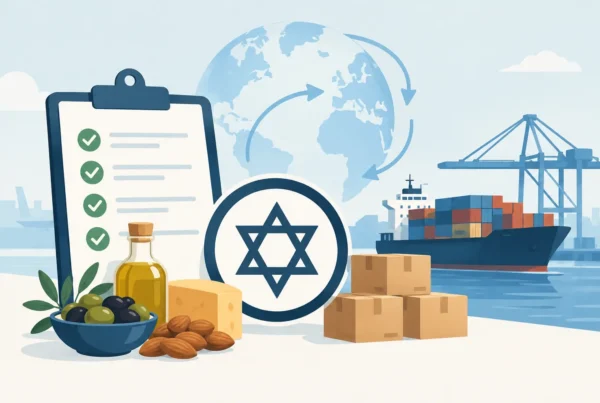


A retailer is waiting for updated packaging, a distributor needs a certificate, and your production schedule is already set. Those are the moments when businesses most want to reduce kosher approval delays. The good news is that many delays are preventable. They usually come from missing product details, late ingredient changes, unclear supplier documentation, or questions that should have been addressed before an inspection or label review.
Kosher certification is a practical business process, but it is also a detailed one. A certifying agency must understand what goes into each product, how it is made, where it is made, and whether the approved kosher status can be supported consistently. Preparing those answers early helps your certification move forward with fewer surprises.
Why Kosher Approvals Get Held Up
Most approval delays are not caused by a difficult product. They happen because information arrives in pieces. A company may submit an ingredient list but not the specifications, provide a supplier name without current kosher documentation, or request label approval before the product formula has been fully reviewed.
Ingredients are often the largest source of follow-up questions. Flavors, processing aids, enzymes, oils, sweeteners, colors, and additives can all require additional review depending on their source and processing. Even an ingredient that appears straightforward may have a supplier-specific status that needs to be confirmed.
Manufacturing arrangements can add another layer. If your products are made by a co-packer, the certifier needs an accurate picture of the facility, equipment, production flow, sanitation procedures, and other products made there. A facility that produces both compatible and non-compatible products may still be certifiable, but the review must account for the actual operating conditions.
The fastest route is rarely to provide the shortest answer. It is to provide complete, current information from the beginning.
Start the Review Before Packaging or Production Is Final
Businesses often seek certification when a customer asks for it or when a retail opportunity becomes immediate. That is understandable, but waiting until labels have gone to print can create unnecessary pressure. If a formula, supplier, or facility detail needs adjustment, the cost of changing packaging or production plans can be much higher than the cost of reviewing the product earlier.
Begin the kosher review while product development is still active. Share preliminary formulas and proposed ingredient suppliers before making final purchasing commitments. This gives your certifier time to identify ingredients that need documentation, may require a different source, or could affect the product’s kosher designation.
This is especially useful for companies launching several stock keeping units at once. Rather than submitting products one by one as each label is designed, organize the entire product family by formula and facility. Products with similar ingredients and processing may be reviewed more efficiently together, while meaningful differences can be identified before they become last-minute issues.
Early review does not mean every detail must be frozen on day one. It means changes can be evaluated as they occur, rather than discovered after packaging, customer commitments, or production dates are in place.
Build a Documentation File That Answers Questions Quickly
A well-organized documentation file is one of the most effective ways to reduce kosher approval delays. The goal is simple: give the certification team a clear, traceable view of every product and every material used to make it.
For each product, maintain a current formula that includes ingredient names, manufacturers, suppliers, item numbers, and the percentage or use level when requested. Gather current specification sheets and kosher certificates for ingredients, particularly for materials that are processed, blended, flavored, or sourced internationally. If a supplier provides more than one version of an ingredient, confirm that the documentation matches the exact item you purchase.
It also helps to keep process information in the same file. Include a short manufacturing flow, details about processing aids and sanitation chemicals that contact production equipment, and the facility address. For co-packed products, clarify who owns the formula, who purchases ingredients, and who can provide records when questions arise.
Documentation should be current, not merely available. An expired certificate or outdated specification can stop an otherwise straightforward review. Assign one person on your team to monitor expiration dates and replace documents before a renewal or new product submission is due.
Treat Supplier Documents as Part of Purchasing
Purchasing decisions and kosher compliance should not operate separately. Before approving a new supplier, ask whether the ingredient has acceptable kosher documentation and whether the supplier can provide it promptly. This is not about creating extra bureaucracy for your procurement team. It is about preventing a production-ready ingredient from becoming a certification bottleneck.
If an approved ingredient must be replaced due to availability or cost, contact your certifier before using the substitute. A similar ingredient is not automatically an equivalent ingredient for kosher purposes. Early communication can keep a supply-chain issue from turning into a label, inventory, or shipment problem.
Make the Facility Review Easier
A facility inspection or review goes more smoothly when the operations team knows what information may be requested. Plant personnel do not need to become experts in kosher law. They do need to explain their actual process accurately and point the reviewer to the right records.
Before an inspection, confirm that formulas, ingredient inventories, receiving records, production schedules, and sanitation procedures are available. Let the appropriate production, quality, and warehouse contacts know when the visit will take place. If the facility uses shared equipment, be ready to explain what runs on that equipment before and after your products, as well as how it is cleaned.
Honesty is more valuable than a perfect-looking file. A clear explanation of a process change, a temporary ingredient substitution, or a shared line gives the certifier an opportunity to provide guidance. Discovering that same change after approval can create more work for everyone.
Keep Label Approval in the Right Order
Kosher symbols and related label statements should be treated as controlled packaging elements. They should not be added based on an assumption that approval is imminent, and they should not be printed until the certifier has authorized their use.
The right sequence is generally product review first, facility review where needed, certification approval, then final label authorization. This protects your business from reprints and helps ensure the symbol, designation, product name, company name, and facility information all match the approved records.
When submitting artwork, send the final version whenever possible. If multiple package sizes use the same approved product name and formula, identify each variation clearly. A minor change in flavor name, ingredient panel, or manufacturer address can require another look, so avoid sending a loose collection of drafts without context.
Create a Change-Control Routine After Certification
Obtaining certification is not the end of the process. The companies that maintain approval most efficiently build kosher review into their normal change-control process. When research and development changes a formula, purchasing changes a supplier, operations changes a co-packer, or marketing proposes new packaging, someone should ask one practical question: does this need kosher review before implementation?
A short internal checklist can prevent expensive corrections. Review new ingredients, supplier substitutions, new facilities, new processing equipment, private-label products, and label changes before they are released. Keep a record of approved formulas and ingredients so teams are not relying on memory or old email threads.
This level of discipline is particularly valuable for fast-growing brands. Growth often brings more suppliers, more production partners, and more people making decisions. A simple review routine keeps certification from becoming an afterthought when timelines are tight.
Choose Responsive Certification Support
Speed depends on preparation, but it also depends on communication. You need a certification partner that explains what is needed, responds to questions, and gives your team a realistic path forward when a product or facility has complications.
EarthKosher works with businesses that need accepted kosher certification without unnecessary complexity. For smaller and midsize companies, direct access to knowledgeable guidance can make a meaningful difference when a customer deadline, new product launch, or ingredient issue is on the line.
The goal is not to rush through details that deserve careful review. It is to address those details early, clearly, and efficiently. When your formulas, supplier documents, plant records, and labels are organized, kosher approval becomes far more manageable – and your next growth opportunity does not have to wait.