
Certification Dossier · Flavored Coffee
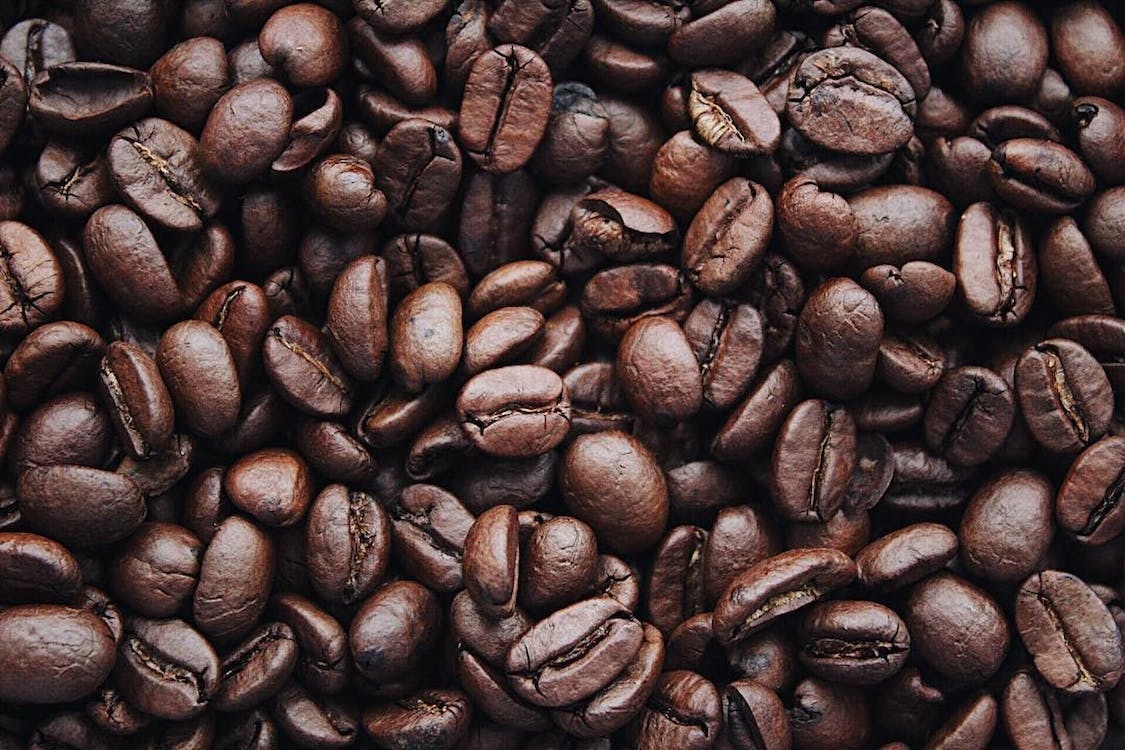
Flavored coffee requires the same certification as unflavored coffee plus a kosher certificate for every flavor used. Because flavors are applied late in production and generally do not affect roasting equipment, most coffee companies can certify their unflavored line immediately while sourcing certified flavors for the rest.
- Subject
- Flavored roasted coffee and the flavor formulations applied to it
- Audience
- Roasters adding flavored SKUs to an existing or planned coffee program
- Scope
- Base coffee certification · Flavor certificates · Application equipment · SKU sequencing
- Decided by
- Whether every flavor carries a current certificate — the beans rarely are the issue
- Certifier
- EarthKosher Kosher Certification Agency
Key takeaways
What the flavor step adds to a coffee file
- Flavors always require certification — both their components and the equipment they are produced on.
- Virtually every flavor profile is available certified from the major flavor houses.
- Flavors are applied late, so they usually do not compromise your roasting equipment.
- You can certify unflavored coffee first and add flavored SKUs as certified flavors are sourced.
01What does kosher certification of coffee involve to begin with?
Kosher certification is the process by which an agency verifies that a product complies with kosher dietary law. In modern practice that means three things: review of documentation, an on-site inspection, and analysis of the ingredients and manufacturing processes.
For unflavored coffee this is a short file. The fruit of the coffee plant is picked, the fruit is separated from the seed, the seeds are cleaned, dried, and sorted, and the beans are then roasted, ground as needed, and packaged. Nothing in that sequence introduces a kosher complication, which is why coffee is among the simpler categories to certify.
02Why do flavors change the analysis?
Flavors change the analysis because a flavor is not a single ingredient — it is a formulation. A “hazelnut” or “vanilla” flavor is built from multiple aroma compounds suspended in a carrier, frequently with an ethanol base, and produced in a flavor house on equipment that runs hundreds of other profiles.
Certification therefore has to reach both the flavor’s components and the equipment it was made on. Neither can be inferred from the flavor’s name or from the finished coffee’s ingredient declaration.
03Are certified flavors difficult to source?
Certified flavors are not difficult to source. Virtually every flavor profile in commercial use today is available from a manufacturer holding reputable kosher certification, and the major flavor houses are thoroughly familiar with the requirements.
This is true for liquid flavors as well as dry. The practical task is usually not finding a certified version of your profile, but getting your existing supplier to send a current certificate that names the specific flavor code you buy — not a general company certificate, and not one issued to a distributor.
04Can I certify my unflavored coffee before the flavors are resolved?
Yes, and it is often the right sequencing. Because flavors are added at a later stage of production and do not affect the roasting equipment, your unflavored line can be certified on its own timeline while you work through flavor documentation.
That gets the symbol onto your highest-volume SKUs and your website sooner, and lets flavored varieties be added to the certificate as each flavor’s paperwork clears — rather than holding the entire program while one supplier responds.
| Coffee SKU type | What it needs | Typical sequencing |
|---|---|---|
| Unflavored whole bean and ground | Facility and equipment review | Certify first |
| Decaffeinated | Decaffeination facility review | Certify with unflavored line |
| Flavored whole bean and ground | Certificate for each flavor | Add as flavor documentation clears |
| Flavored K-cups and single-serve | Flavor certificates plus filling line review | Add after flavored bulk |
| Flavored cold brew and RTD | Flavor, sweetener, dairy, and stabilizer review | Separate file |
05Frequently asked questions
Does the flavor application step affect my roasting drum?
Generally no. Flavors are applied after roasting, typically in a separate tumbler or coating drum, which is why unflavored production can usually be certified independently.
Is a general certificate from my flavor supplier sufficient?
No. The certificate needs to name the specific flavor item you purchase and the facility that produced it.
Are natural flavors easier to certify than artificial?
Not inherently. Both are formulations with carriers and solvents, and both are reviewed the same way. The label distinction is a regulatory one, not a kosher one.
Can flavored coffee be pareve?
Yes, provided the flavors contain no dairy components and the coating equipment is not shared with dairy-containing products.
06Getting started
EarthKosher certifies coffee products from unflavored whole bean through flavored varieties and single-serve formats. Request a quote or call (888) 312-3559.
Next step
Have your flavored coffee line reviewed
Request a quote or browse our certification resources to see how flavored SKUs are sequenced.
Related reading
About the author. Rabbi Yehuda Goldman is CEO of EarthKosher Kosher Certification Agency, which certifies over 600 companies across more than 40 countries with a concentration in the natural and organic sector.
This article is general guidance on how flavored coffee is evaluated for kosher certification. Determinations on specific flavor houses, carriers, and application equipment are made by your certifying agency against your actual suppliers and facility.