

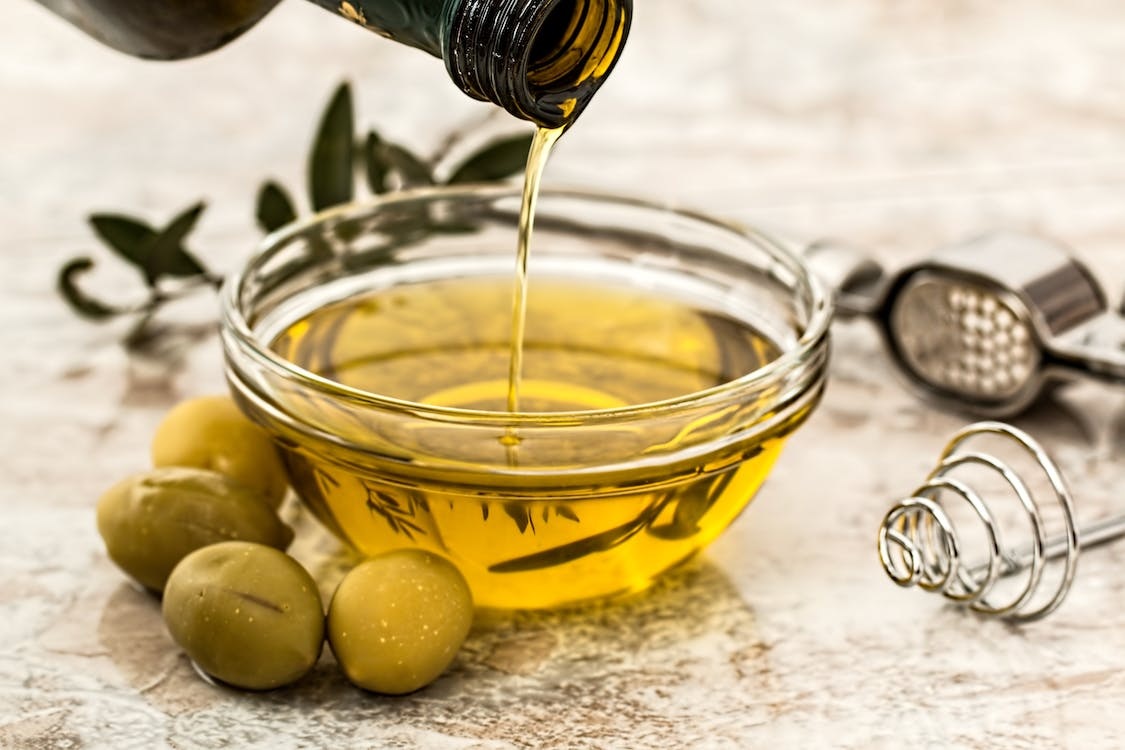
Certification Dossier · Vegetable Oils
Vegetable oil certification begins at harvest and follows the oil through extraction, refining, storage, bottling, and transport. The seed sources — corn, soy, canola, sunflower — are generally recognized as kosher, but that does not make the finished oil kosher, because the facilities that process and refine it frequently handle other materials on the same equipment.
- Subject
- Corn, soy, canola, sunflower, and other seed oils from harvest to bottle
- Audience
- Crushers, refiners, bottlers, and brands buying bulk oil
- Scope
- Seed sources · Extraction and refining · Offsite storage · Bottling · Bulk transport
- Decided by
- The processing chain — acceptable seed does not equal acceptable oil
- Certifier
- EarthKosher Kosher Certification Agency
Key takeaways
What decides kosher status in vegetable oil
- Acceptable seed does not equal acceptable oil. The processing chain decides status.
- Both cold pressing and solvent extraction require facility and equipment review.
- Offsite storage and contract bottling are separate control points.
- Bulk transport in isotanks and similar vessels is frequently the decisive question.
- Certified vegetable oils are pareve — a meaningful advantage over butter, lard, and animal fats.
01Why are certified vegetable oils pareve, and why does that matter?
Certified vegetable oils are pareve because they contain neither meat nor dairy, which means they can be used in a kosher kitchen alongside either. Butter, lard, and animal fats cannot.
For a manufacturer, that is the commercial point. A pareve oil can go into a product intended for any application, which is why formulators developing for the kosher market specify certified vegetable oils as a default rather than as a preference.
02Where does the certification process begin?
Certification begins at harvest and follows the oil forward. The seed sources are generally recognized as kosher as agricultural commodities, so the file’s substance starts at extraction.
Vegetable oil is extracted in one of two ways: cold pressing, which is mechanical, or chemical extraction using a solvent. Either way, certification requires inspection of the facility and the production equipment used, and review of any solvents, processing aids, and additives applied during production. The extraction method changes what is examined, not whether an examination is required.
03Why isn’t an acceptable seed enough?
An acceptable seed is not enough because the facility processing or refining the oil may handle non-kosher oils or other materials on the same equipment. That is the single most important point in the category, and the one most often misunderstood.
Refining and deodorizing run at high temperature under vacuum. Deodorizers hold a persistent oil film that is genuinely difficult to remove, which is why a refinery’s product history matters so much. A refinery that also processes animal fats presents a substantially different file from one that does not.
04What happens at offsite storage and bottling?
Offsite storage and bottling are treated as separate control points, because oil is frequently sent elsewhere for one or both. A producer may lack a particular packaging format, or lack tank capacity, and contract it out.
Storage tanks that previously held non-kosher liquids must either be dedicated to certified oil or kashered before use. Tank history is documentation work, and it is where most storage questions are resolved.
Bottling is generally done cold, which simplifies the technical question considerably. The agency still needs to verify the line is clean, establish a written protocol, and define the supervision arrangement at the bottling location.
05Why is bulk transport such a large part of an oil file?
Bulk transport is a large part of the file because oil is frequently manufactured overseas and shipped in bulk — in isotanks, ship’s tanks, railcars, and road tankers — and those vessels may previously have carried non-kosher materials.
Heat drives absorption quickly, and prolonged cold contact is generally treated as producing the same effect more slowly. Since bulk oil sits in these vessels for days or weeks, the question is unavoidable. Kosher bulk programs work from documented cargo history, approved wash protocols at approved wash stations, and in many cases dedicated tanks.
Certification ties the whole chain together — seed to press, press to storage, storage to transport, transport to bottle — so that the status established at one stage is not lost at the next.
| Stage | What is reviewed | Typical resolution |
|---|---|---|
| Seed and harvest | Source commodity | Generally recognized as kosher |
| Extraction | Press or solvent equipment; processing aids | Facility inspection |
| Refining and deodorizing | Equipment history; shared use with animal fats | Dedication or kashering |
| Storage | Tank history | Dedicated tanks or kashering |
| Bulk transport | Prior cargo; wash records | Documented cargo history; dedicated tanks |
| Bottling | Line cleanliness; protocol | Written protocol and defined supervision |
06Frequently asked questions
Is cold-pressed oil exempt from facility review?
No. Cold pressing removes the high-temperature question but not the equipment question. The press, filtration, storage, and transport are all still reviewed.
Does the solvent used in extraction need certification?
Solvents, processing aids, and additives are all reviewed as part of the file.
Can an oil produced in a shared refinery be certified?
It depends on what else runs there and whether the relevant equipment can practically be kashered. Refineries that also process animal fats present the most difficult case.
Is the certificate on my supplier’s blending site enough?
Not necessarily. A certificate covering blending and packaging does not by itself cover the refining or fractionation upstream, which may be where status is actually determined.
07Getting started
EarthKosher certifies oil facilities worldwide, from press to bottle. Request a quote or call (888) 312-3559.
Next step
Have your oil processing chain reviewed
Request a quote or browse our certification resources to see what a vegetable oil file involves.
Related reading
About the author. Rabbi Yehuda Goldman is CEO of EarthKosher Kosher Certification Agency, which certifies over 600 companies across more than 40 countries with a concentration in the natural and organic sector.
This article is general guidance on how vegetable oils are evaluated for kosher certification. Determinations on extraction plants, isotank dedication, and contract bottling are made by your certifying agency against your actual supply chain.