

Certification Dossier · Coffee
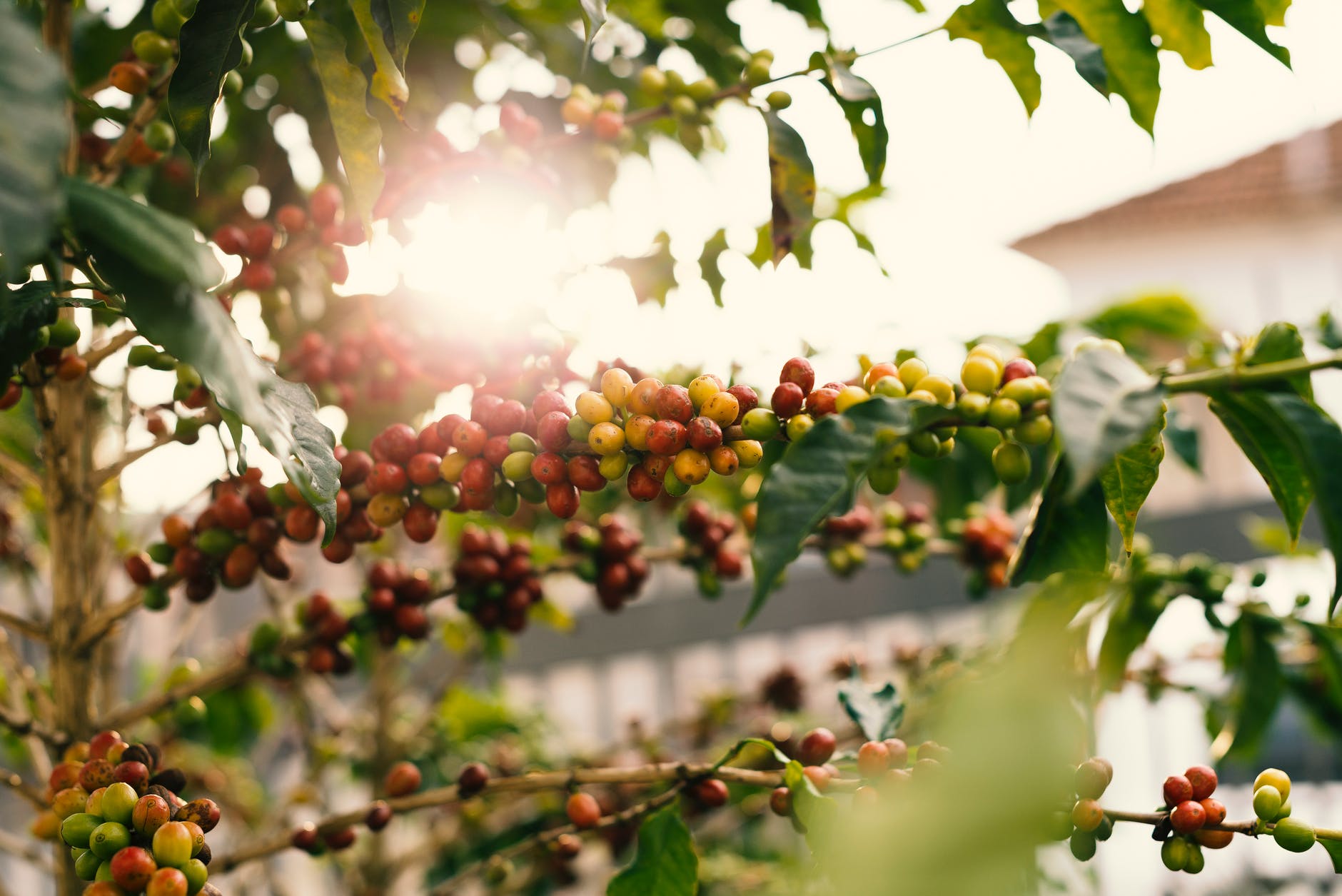
Coffee bean kosher certification is straightforward, because the bean itself raises no question. Coffee is the seed of a tree fruit, which places it in the generally-recognized-as-kosher category. Certification therefore examines what happens after harvest: the milling and drying chain, the roasting equipment, and anything added at the end.
- Subject
- Green coffee, roasted whole bean and ground coffee, cold brew, and RTD coffee
- Audience
- Roasters, coffee brand owners, and co-packed coffee programs
- Scope
- Milling and drying · Roasting equipment · Flavors · Cold brew and RTD additions
- Decided by
- The first processing facility and whether the roasting equipment is dedicated
- Certifier
- EarthKosher Kosher Certification Agency
Key takeaways
What decides kosher status in coffee
- Coffee beans are Group 1 / GRAK — generally recognized as kosher as an agricultural raw material.
- Certification begins at the first processing facility, not on the plantation.
- Dedicated coffee equipment is the reason most roasters certify quickly.
- Flavors and cold-brew additions are the only common complications.
01What does “generally recognized as kosher” mean for coffee?
Generally recognized as kosher — often abbreviated GRAK, and sometimes referred to as Group 1 — describes raw agricultural materials whose kosher status is not in question and which require no certificate as harvested. Coffee beans qualify, because they are the seed of a tree fruit.
Outside the land of Israel, growing fruits and seeds raises no certification concern at all. Farming practice, varietal, and origin do not change status. The file opens when the beans reach a facility that processes them.
02Where does the kosher certification process actually begin?
Certification begins at the first processing facility that receives the beans. Once the cherries are picked, the questions concern the chain that separates, mills, dries, sorts, and packs them.
The review looks at whether the beans are handled on equipment dedicated to coffee, and whether anything else runs through that same line. In most origin operations they are dedicated, and the answer is short. A facility that also processes other commodities requires a closer look at changeover and scheduling.
03Why do coffee roasters certify faster than most food manufacturers?
Roasters certify quickly because roasting equipment is purpose-built and rarely used for anything else. In most operations the wholesaler or retailer roasts and packages in-house, which makes the final steps in the chain the easiest to document.
A drum or fluid-bed roaster, a destoner, a grinder, and a bagger dedicated to coffee produce a clean file. Once the growing, processing, and roasting chain is verified, the coffee can be certified and the kosher symbol added to packaging and the company website. Many coffee companies complete the full process in under thirty days, and some in seven to ten.
04What happens when flavors are added?
Flavors change the file, because flavor compounds always require a kosher certificate from the flavor manufacturer. Both the flavor components and the equipment they are produced on have to be reviewed.
The practical good news is that the major flavor houses are well accustomed to kosher requirements and can supply certified versions of virtually any profile. Because flavors are applied late in the process and generally do not affect the roasting equipment, you can certify your unflavored line first while sourcing certified flavors for the rest — a sequencing option many coffee companies use to get the symbol on shelf sooner. See the companion article on flavored coffee for the full treatment.
05What about cold brew and ready-to-drink coffee?
Cold brew certification depends on what else is in the bottle. A cold brew that is only coffee and water is as simple as whole bean. Once the formulation includes milk, plant-based milks, sweeteners, stabilizers, or flavors, each of those ingredients needs review, and the production line has to be evaluated as well.
Ready-to-drink coffee co-packed in a dairy facility raises the same equipment question that affects any beverage brand: product run on clean but uncleared dairy equipment is typically designated dairy equipment rather than pareve, which matters if neutral status is part of your positioning.
| Product | Typical complexity | What decides it |
|---|---|---|
| Green and roasted whole bean | Low | Processing and roasting equipment dedication |
| Ground coffee | Low | Grinder and bagger sharing |
| Flavored coffee | Moderate | Certificates for each flavor |
| Cold brew concentrate | Moderate | Added ingredients; tank and filler sharing |
| RTD coffee with dairy | Higher | Co-packer equipment; dairy vs. pareve designation |
| K-cups and single-serve | Moderate | Filling line sharing; flavor certificates |
06Frequently asked questions
Do green coffee beans need kosher certification?
As an agricultural raw material they are generally recognized as kosher. Certification covers the processing, milling, drying, and packing facility, and is what allows a downstream roaster to document the chain.
Can a coffee roaster be certified if the facility also handles other products?
Yes, but the review focuses on which equipment is shared, what else runs on it, and how changeover is handled. Dedicated coffee equipment is what makes most roaster files quick.
Does decaffeinated coffee need additional review?
The decaffeination step and the facility performing it are reviewed like any other processing stage, including any solvents or processing aids used.
Is kosher-certified coffee pareve?
Unflavored coffee is pareve. Coffee that contains dairy ingredients, or is produced on dairy equipment, is designated dairy or dairy-equipment accordingly.
07Getting started
EarthKosher certifies coffee operations from origin processing through roasting, flavoring, and single-serve packaging. Request a quote or call (888) 312-3559.
Next step
Have your coffee program reviewed
Request a quote or browse our certification resources to see what a coffee file involves.
Related reading
About the author. Rabbi Yehuda Goldman is CEO of EarthKosher Kosher Certification Agency, which certifies over 600 companies across more than 40 countries with a concentration in the natural and organic sector.
This article is general guidance on how coffee products are evaluated for kosher certification. Determinations for a specific roastery, flavor, or cold brew formulation are made by your certifying agency against your actual facility and suppliers.