

A distributor asks whether your product is kosher certified. A retailer includes kosher approval on a vendor checklist. A customer from a new market wants to see a recognized symbol on your label. At that point, “what is kashrut certification” stops being a theoretical question and becomes a practical business decision.
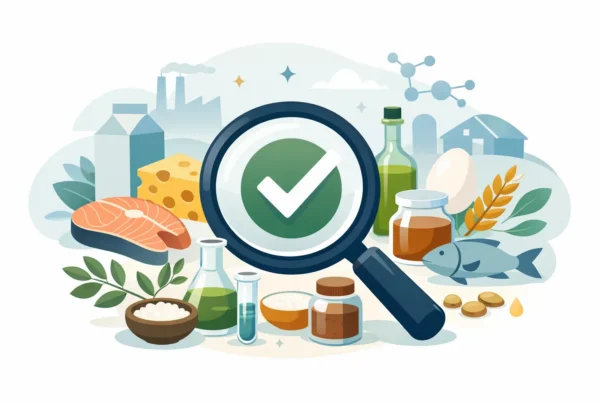
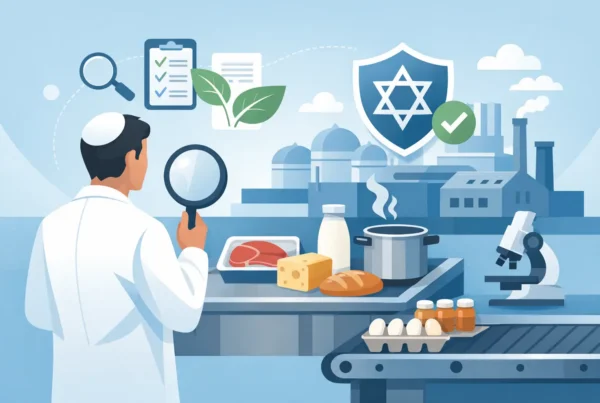
Kashrut certification is the formal process of verifying that a product, its ingredients, and the facility or production system behind it meet kosher requirements under rabbinic supervision. For manufacturers and brand owners, it is both a compliance standard and a market-access tool. It tells buyers and consumers that an independent agency has reviewed how the product is sourced, processed, handled, and labeled.
For many companies, the value is straightforward. Kosher certification can open retail opportunities, support distributor requirements, strengthen consumer trust, and help brands compete in categories where certification is expected. It can also feel confusing at first, especially if your team is not familiar with kosher standards. The good news is that the process is usually more understandable and doable than people expect.
What is kashrut certification in practical terms?
In practical terms, kashrut certification means an authorized kosher agency evaluates your products and operation to determine whether they comply with kosher law. If they do, the agency grants certification and authorizes use of its kosher symbol on approved products.
That review is not limited to the finished item in the package. It usually includes raw materials, processing aids, flavors, oils, release agents, cleaning procedures, production equipment, co-manufacturing arrangements, and label language. In some facilities, transportation, storage, and production scheduling also matter.
This is why kosher certification is more than a label claim. It is a controlled system. The certifier needs to understand what goes into the product, where those inputs come from, how the product is made, and whether anything in the process could affect kosher status.
For example, a simple beverage may be relatively easy to evaluate if all ingredients are already approved and the line has no conflicting use. A complex supplement, sauce, or snack made with multiple flavor systems and co-packed in a mixed-use plant may require deeper review. The answer is not always yes or no right away. Often, it depends on the details.
What kashrut certification checks
At the center of certification is ingredient and process review. Some ingredients are inherently less complicated. Others require strong documentation or their own kosher approval before they can be used in a certified product.
A kosher agency typically looks at whether ingredients come from acceptable sources, whether equipment is shared with non-kosher production, and whether there are formulations or manufacturing steps that change the product’s status. If a facility handles dairy and non-dairy items, for instance, that distinction matters. If a product is intended to be certified pareve, the operation must support that claim.
The same goes for processing conditions. Heat, cleaning methods, line changeovers, and tank usage can all affect the review. In ingredient manufacturing and co-packing environments, even a product with a clean formula can raise questions if the production system is not controlled carefully.
That is why responsive communication matters so much. Certification works best when the agency can explain what is required in plain language and help the business solve issues early, before they become delays.
Why businesses pursue kosher certification
Some companies seek certification because consumers actively look for kosher symbols. Others do it because a retailer, distributor, private label partner, or export opportunity requires it. In many cases, it is both.
Kosher certification can broaden your addressable market beyond strictly kosher-observant consumers. Many shoppers associate kosher approval with transparency and oversight. Some buyers prefer certified products because the standards are documented and independently verified. In ingredient and industrial channels, certification can also simplify procurement for downstream manufacturers that need approved inputs.
There is also a practical sales advantage. When your product is already certified, your team can respond faster to buyer requirements and RFPs. That can matter a lot for growing brands trying to move quickly.
Still, not every company needs certification at the same stage. If your sales channels do not require it yet, the timing may depend on your growth plans, target accounts, and product mix. For a niche local brand, certification may be a later step. For a national CPG brand or ingredient supplier, it may be expected much earlier.
How the certification process usually works
While each agency has its own procedures, the overall process is fairly consistent. A business begins by sharing product and facility information. The certifier reviews ingredient documents, manufacturing details, and intended claims. If the project appears viable, the agency outlines what is needed for approval.
From there, the review usually moves into documentation and facility assessment. Ingredient specifications may need to be updated. Suppliers may need to provide kosher letters or certificates. Labels may need revision. A rabbinic field representative may inspect the site or evaluate the production setup, depending on the category and risk level.
If the operation meets requirements, certification is issued for the approved products. After that, there is an ongoing compliance relationship. Companies generally need to maintain approved sourcing, notify the agency about formula or supplier changes, and participate in periodic reviews.
This ongoing piece is important. Kosher certification is not a one-time event that stays valid no matter what changes. If you switch a flavor house, add a new co-packer, reformulate an ingredient deck, or move production, the kosher status may need to be reviewed again.
Common misconceptions about what kashrut certification is
One common misconception is that kosher certification only matters for religious consumers. In reality, many brands pursue it for commercial reasons, including retailer acceptance, export readiness, and broader customer confidence.
Another misconception is that certification is only relevant for obviously complex foods like meat or dairy. Many products in beverages, ingredients, supplements, natural products, and transport-related handling systems also require kosher review. Even when a product seems simple, the sourcing and production details may not be.
A third misconception is that the process is always slow or burdensome. Sometimes it is complex, especially when supplier documentation is incomplete or equipment usage is mixed. But many projects move efficiently when the agency is responsive, the expectations are clear, and the business has direct support.
That is often where smaller and midsize companies feel the difference between agencies. They do not just need a recognized certificate. They need practical guidance, quick answers, and a process that respects time and budget.
What to ask before choosing a certifier
If you are evaluating certification, the better question is not just what is kashrut certification, but what kind of certification support your business needs.
Industry acceptance should come first. Your certification has to be recognized by the buyers, distributors, and consumers you want to reach. After that, service matters more than many first-time applicants realize. If your team has questions about ingredients, labels, reformulations, or co-manufacturing, delays in communication can slow product launches and create avoidable stress.
Cost matters too, especially for emerging brands. Lower cost alone is not enough if the process becomes unclear or difficult to manage. At the same time, a large and expensive agency is not automatically the best fit for every business. Many companies benefit from a certifier that combines accepted standards with straightforward business practices, fast response times, and a more personalized approach.
For that reason, it helps to ask practical questions early. How quickly do they respond? What documentation will they need? How do they handle formula changes? What is the expected timeline? Will you have direct access to someone who can explain the requirements clearly?
For businesses looking for an accepted, affordable, and responsive path, agencies such as EarthKosher are designed to make the process easier to navigate, especially for food, beverage, ingredient, and natural product brands.
When certification is simple, and when it gets more involved
Some projects are fairly straightforward. A single-product brand with approved ingredients, a clean production environment, and stable sourcing can often move through review without major complications.
Other cases are more involved. Shared equipment, international supply chains, custom blends, dairy exposure, contract manufacturing, and frequent reformulation can all add complexity. None of that means certification is out of reach. It means the review needs to be thorough, and the business should work with a certifier that can explain the path forward in a practical way.
That balance matters. Good kosher certification protects standards, but it should also help companies make informed operational decisions. The right agency does not bury a growing brand in unnecessary red tape. It gives clear requirements, identifies issues early, and helps the company move ahead with confidence.
If you are considering certification, the most useful next step is not to master every detail of kosher law on your own. It is to get a clear evaluation of your products, ingredients, and process so you can see what is required and what is realistically possible.