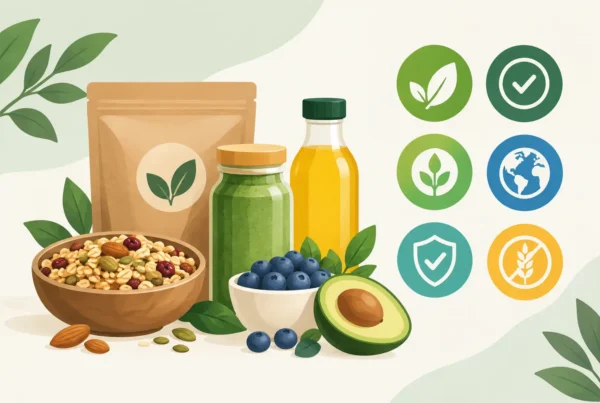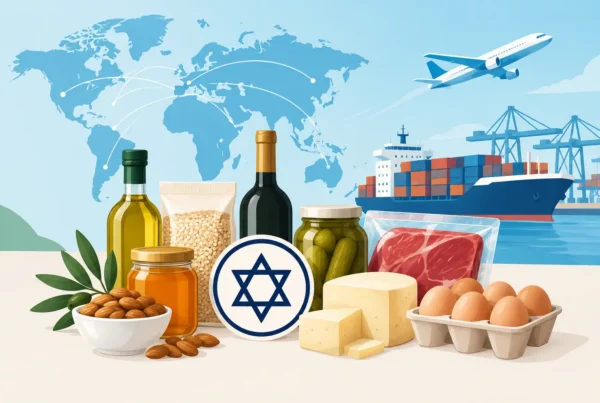


A product can be vegan and still fail kosher review. It can also be kosher and still miss the mark for vegan shoppers. That gap is where many brands get stuck, especially when a distributor, retailer, or customer asks for proof and the internal team assumes the two standards mean the same thing. They do not. Understanding kosher and vegan certification early can save time, reformulation costs, and unnecessary back-and-forth during commercialization.
For food, beverage, ingredient, and natural product companies, this is not just a labeling question. It affects sourcing, production controls, documentation, and market access. If your team is deciding whether to pursue one certification, both, or neither, the smartest place to start is with the practical differences.
What kosher and vegan certification actually mean
Vegan certification is centered on the absence of animal-derived ingredients and, depending on the certifier, controls around cross-contact, processing aids, and testing policies. The core question is whether the product and its production align with vegan standards.
Kosher certification is different. It evaluates whether ingredients, processing, equipment, and facility practices comply with kosher law. That includes the source and status of ingredients, how materials are handled, whether dairy or meat issues are involved, and whether the manufacturing environment creates concerns under kosher requirements.
This is why a vegan claim alone is not enough for kosher approval. A flavor, processing aid, carrier, or release agent may be plant-based and still require kosher review. On the other side, a kosher-certified product may contain ingredients that are not acceptable to vegan consumers, such as dairy, eggs, honey, or other animal-derived components.
The overlap matters, but so do the boundaries.
Where kosher and vegan certification overlap
In many plant-based categories, kosher and vegan certification can complement each other well. Products made without meat, dairy, or obvious animal inputs often have a strong starting point for both reviews. Brands in snacks, beverages, supplements, oils, sweeteners, seasonings, and many natural product categories often find that the same documentation work helps support both paths.
Ingredient transparency is one clear overlap. Both standards require a close look at what is really in the product, including sub-ingredients and processing aids. If your team does not have current supplier documents, manufacturing flow information, and a clean ingredient breakdown, both certification processes become slower.
Cross-contact controls are another common area. Vegan programs often focus on preventing contact with animal-derived materials. Kosher programs focus on kosher status and equipment use, including whether lines are shared with non-kosher or dairy materials. These are not identical concerns, but they both push manufacturers toward stronger production oversight.
There is also a commercial overlap. Many buyers see certification marks as evidence that a brand takes compliance seriously. For emerging brands, that added credibility can help when entering new retail channels or responding to distributor requirements.
Where they differ in practice
The biggest mistake companies make is assuming plant-based equals automatically kosher. In practice, kosher review can raise questions that vegan review does not.
For example, a product may contain only botanical ingredients, but one of those ingredients could be sourced through a process that requires kosher verification. A carrier system, anti-foaming agent, glycerin source, or bulk handling practice may matter. Equipment sharing can matter too. If a line also runs non-kosher products, kosher approval may require additional review or corrective steps even if the item itself is fully vegan.
Vegan certification, by contrast, usually centers more directly on whether any animal-derived substances are present or used. That can still be detailed, especially in complex formulations, but the religious legal framework is different.
Honey is a simple example of how the standards can diverge. Some vegan consumers avoid it, while kosher status depends on different criteria. The same goes for dairy. A dairy ingredient may be kosher if properly approved and handled, but it would not support a vegan claim.
This is why brands should avoid treating one certification as a shortcut to the other. The standards can support each other, but they are not interchangeable.
Why brands pursue both certifications
For many companies, the decision is commercial before it is philosophical. Retailers may request kosher certification. Consumers shopping plant-based may look for vegan verification. International buyers may expect recognized documentation. In some categories, having both can broaden shelf appeal without changing the product itself.
Kosher certification is often pursued because it is widely recognized and accepted across the food industry. It can support access to retailers, distributors, co-manufacturing opportunities, and ingredient sales. It also communicates process control and ingredient oversight in a way buyers understand quickly.
Vegan certification can strengthen positioning with a specific consumer segment that wants third-party confirmation rather than a self-declared label claim. This is especially useful for products where hidden animal-derived inputs are a known concern, such as flavors, colors, supplements, confectionery, or personal care items.
For some brands, both certifications are worth it because they serve different audiences. For others, one is clearly the priority. It depends on your category, your channel strategy, and what your buyers are actually asking for.
What to review before starting certification
Before applying for kosher and vegan certification, companies should take a realistic look at their formulas and operations. A quick internal review can prevent delays later.
Start with the full ingredient deck, including sub-ingredients, carriers, incidental additives, and processing aids. If your specifications stop at the top-line ingredient name, you may not yet have enough detail. Many certification delays begin with incomplete supplier paperwork.
Next, look at your manufacturing setup. Are products made on dedicated lines or shared equipment? Are there dairy, meat, animal-derived, or non-kosher products in the same facility? What sanitation practices are used between runs? A product that looks straightforward on paper can become more complicated once line sharing enters the conversation.
Then review packaging and labeling. If your team plans to make vegan claims, use certification symbols, or sell into channels with strict compliance expectations, label approval should be part of the timeline from the beginning, not an afterthought.
How the certification process usually works
Most companies benefit from a process that is structured, understandable, and fast enough to support launch timing. That matters even more for smaller businesses that do not have in-house regulatory specialists.
A typical kosher review begins with an application, ingredient and supplier documentation, facility and process review, and rabbinic evaluation. Depending on the operation, there may be follow-up questions, a site review, or required changes before approval. Once approved, the company receives authorization to use the kosher symbol according to the certification agreement.
Vegan certification follows its own process, usually focused on ingredient verification, manufacturing controls, documentation, and label use.
If you plan to pursue both, it helps to organize documents once and work from a current, complete set of specifications. That reduces duplication and speeds decision-making. It also helps to work with a certifier that explains requirements clearly and does not turn basic questions into a long administrative process. For growing brands, speed and responsiveness are not minor conveniences. They affect launch schedules, customer commitments, and cash flow.
Choosing the right certification partner
Not every certifier is equally practical for every business. Some companies need a large institutional name. Others need a partner that is accepted in the market, affordable, and responsive enough to keep a project moving.
When evaluating a kosher agency, ask simple business questions. How clear is the process? How quickly do they respond? Do they explain requirements in plain language? Are costs straightforward? Do they understand your category, whether that is ingredients, beverages, natural products, or co-manufacturing?
This matters because certification is not only about approval. It is also about maintenance. Formula changes, new suppliers, packaging revisions, and facility updates all need to be managed over time. A supportive agency can make that feel understandable and doable rather than burdensome.
For brands in plant-based and natural product spaces, it is especially helpful to work with a team that understands the operational realities of smaller and midsize businesses. EarthKosher has built its model around that need, with an emphasis on accepted certification, affordability, and responsive guidance.
Kosher and vegan certification as a growth decision
The real value of certification is not the symbol by itself. It is what that symbol helps your business do. It can open conversations with buyers, reduce friction in compliance review, strengthen consumer trust, and support entry into new channels. But the right path depends on your product, facility, and growth goals.
Some brands should pursue both certifications at the same time. Some should start with kosher because a retailer or distributor requires it. Others should address formula or sourcing issues first so the process goes faster later. There is no one-size-fits-all answer, and that is exactly why early guidance matters.
If your team is weighing the next step, treat certification as an operational decision, not just a marketing badge. The more clearly you understand your ingredients, process, and market needs, the easier it becomes to choose a path that supports growth without adding unnecessary complexity.