
Certification Dossier · Raw Materials & Ingredients
Kosher certification of a finished product depends on the kosher status of every raw material in it — but that does not mean every raw material needs a certificate. Many ingredients are inherently acceptable and can be purchased as-is. The certification work concentrates on a much smaller set: ingredients whose manufacturing process, rather than their identity, creates the question.
- Subject
- Raw materials, processing aids, carriers, and premixes in a certified formula
- Audience
- Formulation, sourcing, and QA leads assembling a raw material list
- Scope
- Inherently kosher materials · Fermentation products · Oils and emulsifiers · Flavors · Premixes
- Decided by
- How the ingredient is produced — not what it is called on the spec sheet
- Certifier
- EarthKosher Kosher Certification Agency
Key takeaways
What decides whether an ingredient needs a certificate
- Ingredients fall into two practical groups: inherently kosher and certificate-required.
- Fermentation-derived ingredients always require certification, because the growth medium is where the sensitivity lives.
- The ingredient’s process determines status, not its name on a spec sheet.
- A certification review tells you which of your raw materials need supplier certificates before you chase any of them.
01What does it mean for an ingredient to be inherently kosher?
An inherently kosher ingredient is one whose identity and ordinary method of production raise no kosher question, so it can be purchased without a certificate. Water, salt, and most unprocessed minerals fall here. So do most single-origin agricultural commodities that arrive with no other ingredient declared on the label.
The condition is strict: the material must have no other listed ingredients. A single added anti-caking agent, carrier, or processing aid moves the item out of this group.
02Why does a simple four-ingredient product still need review?
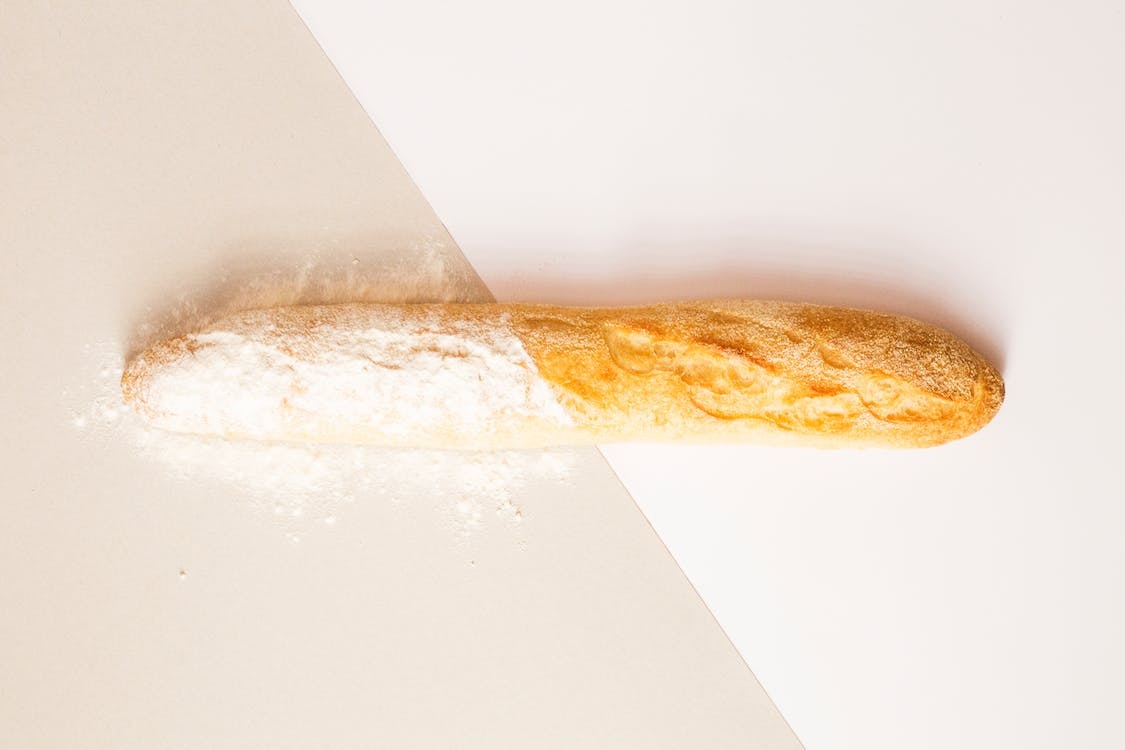
A simple product still needs review because the simplest recipe usually contains at least one ingredient built by a manufacturing process rather than harvested. Bread is the clearest illustration. A basic loaf contains four things — flour, water, yeast, and salt — and three of them are straightforward.
| Ingredient | Status | Why |
|---|---|---|
| Grain / flour | Generally acceptable | Recognized as kosher; infestation is the exception that would change the answer |
| Water | Inherently kosher | Natural, unprocessed |
| Salt | Inherently kosher | Natural and unprocessed, provided nothing is added |
| Yeast | Certificate required | Grown by fermentation on a medium that may itself be kosher-sensitive |
Yeast is the ingredient that carries the file. It is a living organism that has to be cultivated, and anything produced by fermentation requires certification because the substrate the organism is grown on may not be acceptable, even though the finished yeast looks like a simple single ingredient.
03Which ingredients most often turn out to require a certificate?
The ingredients that most often require certificates are the ones added in small quantities for function rather than for flavor or bulk. In practice these are:
- Anything fermentation-derived — yeast, enzymes, cultured acids, cultured flavor bases
- Oils and fats, where refining and bulk transport determine status
- Emulsifiers, mono- and diglycerides, and glycerin, which can be vegetable- or animal-sourced without the spec sheet saying which
- Flavors, both natural and artificial, including their carriers and any ethanol base
- Vitamin and mineral premixes, where the encapsulation material is the question
- Processing aids and release agents that never appear on the finished label
04How does the ingredient review fit into certification?
The ingredient review is the first substantive step of certification and usually the longest. EarthKosher reviews your complete raw material list and returns a straightforward split: which items are acceptable as purchased, and which require a current kosher certificate from your supplier naming that specific item and its actual manufacturer.
That split matters commercially, because chasing certificates you do not need wastes weeks. Most applicants discover the list of certificate-required items is far shorter than they expected — and that the two or three that are required sit several tiers up the supply chain, which is where the real timeline lives.
Certification then confirms that the product is manufactured in a facility, on equipment, and under conditions that comply with kosher standards. Ingredients establish what can be made; the facility review establishes whether it was.
05Frequently asked questions
Does every ingredient in a kosher product need its own kosher certificate?
No. Inherently kosher materials such as water, salt, and most unprocessed single-origin commodities can be purchased as-is. Certificates are required for ingredients whose production method creates the sensitivity — fermentation products, refined oils, flavors, emulsifiers, and premixes.
Why does yeast need certification when flour does not?
Because yeast is grown rather than harvested. The organism is cultivated on a medium that may contain kosher-sensitive materials, so the certificate covers the growth process, not the organism.
Is a supplier’s letter of guarantee enough?
No. A current certificate that names the specific item and the actual manufacturing site is what holds up. Letters of guarantee and certificates issued to trading companies do not establish where the material was made.
How long does the ingredient review take?
The review itself is fast. The timeline is set by how quickly your suppliers return current documentation, particularly for premixes and flavor blends sourced two or three tiers upstream.
06Getting started
Send your complete raw material list — including processing aids, carriers, filtration media, and release agents — and EarthKosher will tell you which items are already acceptable and which need supplier documentation. Request a quote or call (888) 312-3559 to speak with a rabbi.
Next step
Have your raw material list reviewed
Send your full ingredient list and EarthKosher will tell you which items are already acceptable and which need supplier documentation.
Related reading
About the author. Rabbi Yehuda Goldman is CEO of EarthKosher Kosher Certification Agency, which certifies over 600 companies across more than 40 countries with a concentration in the natural and organic sector.
This article is general guidance on how raw materials are evaluated for kosher certification. Determinations for any specific ingredient — including fermentation substrates, carriers, and processing aids — are made by your certifying agency against your actual suppliers and manufacturing sites.