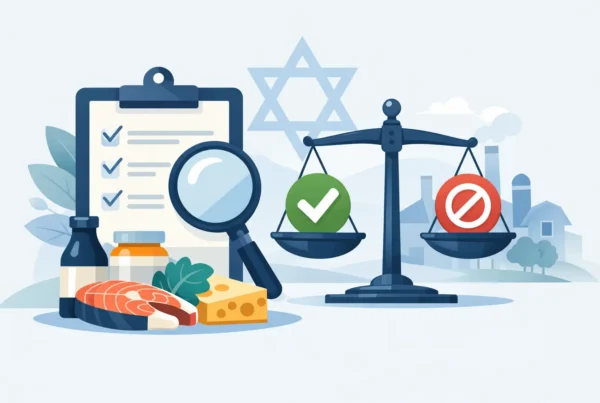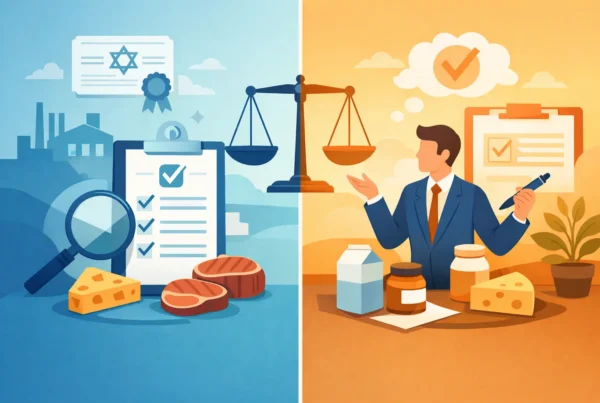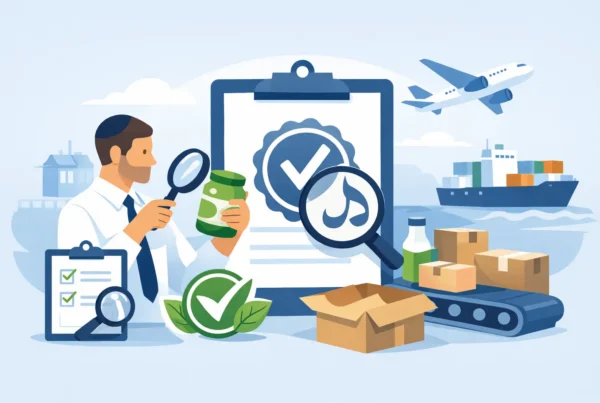


A private label launch can look simple on paper: select a co-packer, choose products, approve packaging, and sell under your brand. Kosher certification adds another layer, but it does not need to slow the project down. To certify private label foods, the brand owner and manufacturer need clear answers about who controls the facility, ingredients, production schedule, labels, and certification agreement before printing begins.
For retailers, distributors, and kosher consumers, the symbol on a package represents more than a marketing claim. It shows that the product has been reviewed under an accepted kosher program and is produced according to its approved requirements. For a growing brand, that confidence can support entry into new accounts while protecting the investment made in inventory and packaging.
Why private label kosher certification needs coordination
Private label products involve at least two businesses: the company that owns the brand and the company that makes, packs, or warehouses the food. Sometimes there are more parties, including an ingredient distributor, a broker, or a fulfillment partner. Kosher certification must account for the real supply chain, not just the label design.
The manufacturer’s facility is usually central to the review because production conditions affect kosher status. A facility may already hold kosher certification, which can make a private label project more straightforward. But existing certification does not automatically mean every product, ingredient, process, or private label is approved. The specific formula, processing method, production line, and final label still need review.
If the manufacturer is not certified, certification may need to cover the facility and the private label products together. That can be a practical option, particularly when the brand plans ongoing production. The right path depends on the product category, the number of stock-keeping units, supplier documentation, and how much control the brand has over manufacturing decisions.
Who is responsible for what?
A smooth certification project starts by assigning responsibilities early. The brand owner generally supplies product information, artwork, formulas when available, and contact details for the manufacturing partner. The manufacturer typically provides the facility questionnaire, ingredient lists, supplier documentation, process flow information, and access for any required inspection.
Both parties should understand who will sign the certification agreement and who has authority to approve changes. This matters when a manufacturer substitutes an ingredient because of a shortage, changes a co-packer, adds a new production line, or updates a formula. A change that seems minor from a purchasing perspective can affect kosher approval.
The best approach is not to treat certification as a one-time packaging task. It is an operating system that must remain accurate after launch. A clearly defined contact at both the brand and facility prevents delays when questions arise.
Brand owners should ask the right questions early
Before committing to a manufacturer, ask whether the facility is currently kosher certified, which products and lines are covered, and whether it permits private label customers to use an approved kosher symbol. Ask whether there are separate fees for label review, additional products, inspections, or new suppliers.
It is also wise to ask about production flexibility. If the facility runs dairy, meat, wine, or other sensitive products, the production arrangement may require additional review. That does not necessarily rule out certification. It simply means assumptions should be tested before product specifications are finalized.
Manufacturers need complete, current information
Manufacturers often work with several private label customers and many ingredient suppliers. Certification is easier when documentation is organized and current. Ingredient specifications, kosher certificates, processing aids, release agents, flavors, and packaging components may all be relevant, depending on the product.
A manufacturer should also disclose any planned changes, including new suppliers or new equipment. Early disclosure gives the certifying agency time to review the change and offer workable guidance. Waiting until a shipment is scheduled can create avoidable pressure for everyone involved.
The process to certify private label foods
The exact review varies by product, but the process is usually understandable and doable when information is supplied upfront. A certification agency begins by learning about the product, facility, ingredients, and relationship between the brand and manufacturer. From there, the agency can identify the appropriate certification scope and explain what is needed.
A practical process often includes these steps:
- The brand or manufacturer submits an application with company, product, and facility details.
- The agency reviews formulas, ingredient sources, labels, and production information.
- The facility receives an inspection when required to verify equipment, processes, and records.
- The agency resolves any questions involving ingredients, shared equipment, or production conditions.
- Approved labels receive authorization for the kosher symbol before they are printed or used.
- The parties sign the relevant agreement and follow the ongoing requirements for approved production.
The timing depends on how complete the submission is and whether ingredients already have acceptable documentation. A straightforward product made in an already certified facility may move much faster than a new formula made at a complex, non-certified plant. Fast certification is valuable, but accuracy comes first. Printing a symbol before authorization or assuming a prior approval applies to a new item can lead to costly relabeling.
Label approval is a business safeguard
A kosher symbol should never be added to private label artwork based on a verbal assumption. The certifying agency needs to approve the label and authorize its use. This includes the brand name, product name, package size, symbol placement, and any kosher designation that accompanies the mark.
Label review protects both the brand and the manufacturer. It confirms that the product being sold matches the product that was approved. It also helps prevent confusion when a line includes varieties with different ingredients or production conditions. For example, an original snack and a cheese-flavored version may not have the same kosher designation, even when they share similar packaging.
Build label approval into the production calendar. Give the certification review enough time before artwork is released to the printer. For companies managing dozens of items, a simple internal rule helps: no kosher symbol goes to print until written authorization is in hand.
Costs and timelines: what affects them
Private label businesses need predictable costs, especially when margins are tight. Certification fees can vary based on the number of products, facility complexity, travel or inspection needs, ingredient review, and the level of ongoing supervision required. A clear quote should explain what is included and whether future additions or changes may create separate costs.
The least expensive route is not always the best route if it leaves the brand without responsive support or creates uncertainty with retail buyers. At the same time, a small brand should not be pushed into unnecessary complexity. An affordable program should fit the actual risk and operational needs of the product.
Timelines are shaped less by the calendar than by preparation. Delays commonly come from missing supplier certificates, incomplete formulas, unclear ownership of the production facility, or labels submitted after printing. Bringing the manufacturer into the conversation at the beginning is often the single most effective way to keep a launch moving.
Choosing a certification partner for private label products
Look for an agency whose symbol is accepted by the customers and markets you want to serve, and one that explains requirements in plain language. Private label brands benefit from direct access to knowledgeable staff because questions rarely arrive on a perfect schedule. A responsive certification partner can help distinguish between a routine label addition and a change that requires a deeper review.
EarthKosher works with food businesses that need an accepted kosher certification process without unnecessary bureaucracy. For private label brands, the goal is practical guidance: understand the requirements, coordinate with the manufacturer, and move from product concept to approved packaging with confidence.
The most useful next step is to gather your proposed product list, manufacturer details, ingredient information, and draft labels before requesting certification. That preparation turns a complicated-looking project into a clear conversation and gives your brand a stronger foundation for a successful launch.