
Certification Dossier · Tequila & Craft Distilleries
Kosher certification for tequila depends on more than the agave and the still. The questions that decide it are barrel history, finishing additives, filtration media, bulk transport, and the other products made in the same distillery.
- Subject
- Blanco, reposado, añejo, extra añejo, and cristalino tequila; bulk-shipped tequila; flavored tequila and ready-to-drink cocktails; and the whiskey, gin, brandy, and liqueurs made by craft distilleries
- Audience
- Tequila distilleries, brand owners producing at contract distilleries, bottlers, and craft distilleries producing several spirits
- Scope
- Barrel history and wine casks, finishing additives, bulk transport, contract production, cristalino filtration, Passover, grape spirits, purchased neutral spirit, and documentation
- Certifier
- EarthKosher Kosher Certification Agency
Key takeaways
- Status is decided after the still. For tequila, kosher status is mostly decided after distillation: in the barrel, in the finishing additives, and in the tanker.
- Additives are not on the label. An aged tequila can legally contain small amounts of glycerin, caramel color, oak extract, and sugar syrup that never appear on the label, and each of them has to be reviewed.
- Wine barrels are a line agencies draw differently. A barrel that once held non-kosher wine can make an aged tequila uncertifiable. Agencies do not all draw that line in the same place.
- Brand, distillery, and Passover are separate decisions. A tequila brand’s certification depends on both the distillery that makes it and the specific product, and Passover certification is a separate decision with its own sourcing and barrel requirements.
An unaged, additive-free 100% agave tequila usually has a relatively simple review. Aged, flavored, cristalino, or bulk-shipped tequila needs more documentation, particularly where wine casks, undisclosed finishing ingredients, or shared equipment are involved. For brands made at a contract distillery, certification depends on both the facility and the specific product.
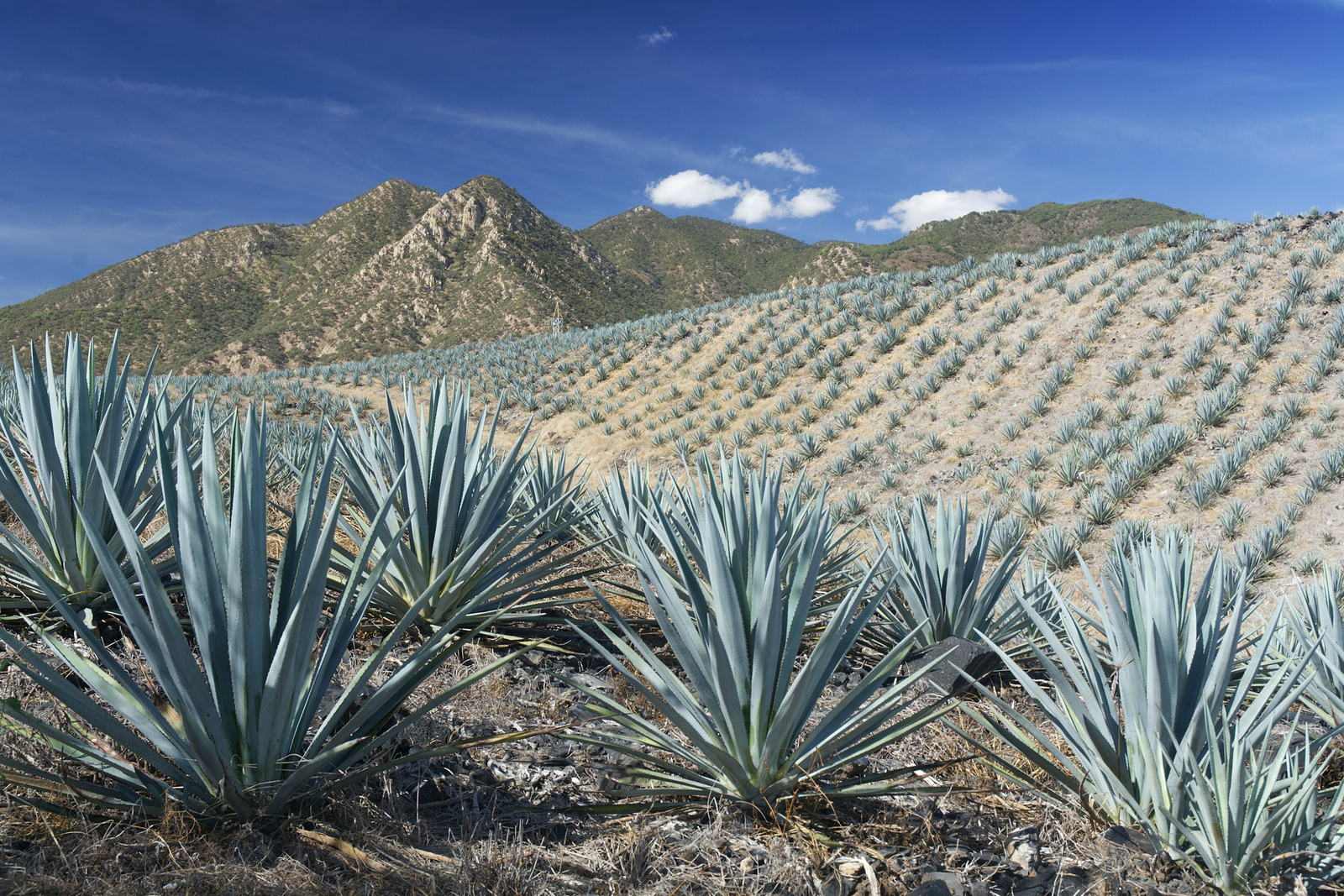
The reason is that tequila starts with a single plant, blue Weber agave, which raises no kosher question. Cooking, crushing, fermenting, and distilling it all happen in equipment that, in a dedicated tequila distillery, has never held anything except agave. The questions arrive later: in the barrels used to age reposado and añejo, in the finishing ingredients Mexican regulations allow in aged tequila without label disclosure, in the tankers that carry tequila between facilities, and in the fact that one licensed distillery may produce dozens of brands. The same principles apply to craft distilleries making whiskey, gin, and liqueurs, with grape-based spirits and grain-based Passover issues added. A company that knows where these control points sit can usually get through certification without changing how it makes its spirit.
01What makes tequila different from a kosher standpoint?
Tequila is unusual because its regulator already controls the raw material tightly, while the steps that matter for kosher status happen after distillation. Mexico’s official tequila standard and the Tequila Regulatory Council (CRT) define what agave may be used, where it may be grown, and how the spirit is classified. They say much less about where a used barrel came from or what a finishing additive was made from. Those are the questions a kosher certifier has to answer.
The issues this article covers
- Wine-seasoned and wine-finished barrels, and why authorities differ on them
- The four finishing additives permitted in aged tequila, and the kosher question each one raises
- Bulk transport and bottling outside the distillery
- Contract production, where one distillery makes many brands
- Cristalino filtration and its processing aids
- Passover, and the additional questions craft distilleries face with grape and grain spirits
02Which tequila styles raise which kosher questions?
Each tequila style has a different control point, and that tells a producer what to submit first.
| Style | Main certification concern | First action |
|---|---|---|
| Blanco, 100% agave | Fermentation inputs and shared equipment | Submit yeast and nutrient specifications and the list of other products run in the distillery |
| Reposado and añejo | Barrel history and finishing additives | Document each barrel’s previous contents; submit specifications for any glycerin, caramel color, oak extract, or syrup |
| Cristalino | Barrel history and filtration media | Document previous barrel contents and the source of the activated carbon |
| Bulk-shipped tequila | Tanker history, washing, and the receiving bottler | Submit previous-cargo and wash records and the bottling facility’s product list |
| Flavored tequila and ready-to-drink cocktails | Flavors, juices, and carriers | Submit the complete formula with supplier certificates |
| Passover production (mainly blanco) | Yeast, flavors, whiskey-cask aging, and segregation | Get approval for each input and confirm the barrel and production plan before the run |
03Why does a barrel decide whether an aged tequila can be certified?
A barrel decides an aged tequila’s kosher status because wood absorbs what it holds and releases it into whatever it holds next. Tequila is aged in oak, usually in new barrels or barrels previously used for American whiskey. Neither raises a basic kosher problem, apart from the Passover issues discussed below. The issue comes from barrels that previously held wine, port, sherry, or brandy. Producers use them for finishing and for flavor, and that information does not always reach the label.
- Stam yeinam
- Wine handled by a non-Jew, which is prohibited for kosher use. It is the category that makes a barrel’s previous contents a kosher question.
A barrel that held non-kosher wine for years has absorbed some of that wine into its staves, and the question is whether a spirit later aged in it takes on the wine’s status. Authorities differ. One position reads the classical sources as treating the absorbed wine as insignificant in a spirit of much greater volume. Another holds that a producer who chooses a wine cask specifically to draw out the wine’s character cannot treat that wine as insignificant, because the wine is the reason the barrel was chosen.
Agencies apply these positions differently. Some accept wine-cask finishing only with casks that held kosher wine, some accept new casks seasoned with kosher wine, and some treat a label that advertises a wine finish as disqualifying. Where your product falls is a determination your certifying agency makes. The long contact time also matters: tequila sits in a barrel for months or years, and kosher law treats prolonged cold contact as transferring taste the way heat does, only more slowly.
For producers Keep a record of what every barrel held before it arrived, keep wine-cask inventory separate from the rest where both exist, and submit any new barrel source or finishing cask for approval before you buy it.
04What is glycerin doing in a 100% agave tequila?
Glycerin is in some aged tequilas because Mexico’s tequila standard permits it. The standard allows four finishing additives, known in the industry as abocantes, in aged tequila: caramel color, oak extract, glycerin, and a sugar-based syrup. It limits them to a small percentage and does not require them on the label. Since 2013, blanco tequila may not contain them. Reposado, añejo, and extra añejo still can.
- Abocantes
- The industry term for the four finishing additives Mexico’s tequila standard permits in aged tequila: caramel color, oak extract, glycerin, and a sugar-based syrup.
Each of the four raises its own kosher question:
- Glycerin adds body and a smoother mouthfeel. It can be made from vegetable oil or from animal fat, and a specification sheet often does not say which.
- Oak extract adds the aroma of barrel aging. It is extracted with alcohol, and the source of that alcohol needs review, since some alcohol is distilled from wine.
- Caramel color deepens color. It is made by heating sugars, sometimes with processing aids, and needs a certificate like any other ingredient.
- Sugar-based syrup sweetens. The standard does not specify the sugar source, and the syrup can also carry other flavoring ingredients that need review.
An aged tequila labeled 100% agave is not necessarily an agave-only product.
What this means for producers: if your aged expressions use any of these additives, each needs a supplier and a current kosher certificate on your approved list, and a change in supplier needs approval before the material is used. EarthKosher’s guide to ingredient supplier kosher approval explains how that list works, and how to document kosher ingredient changes covers supplier switches. A distillery that uses no additives should say so in its application and document it, which makes the review considerably simpler.
05Why do tequila bulk shipments need their own kosher certification?
Bulk tequila shipments need their own kosher review because the tanker or tote is part of the production chain. Its previous cargo, its cleaning, and how it has been used can affect whether the shipment is acceptable under the certifying agency’s standards.
- Davar charif
- A sharp substance that transfers taste more strongly than an ordinary liquid. Some kosher authorities treat high-proof alcohol this way, so a vessel whose previous cargo was not kosher can affect the tequila it carries even without heat. How each case is handled is decided by the certifying agency.
This matters most when tequila leaves the distillery before bottling. Under Mexican rules, tequila labeled 100% agave must be bottled in Mexico. Tequila that is not 100% agave may be exported in bulk and bottled abroad, and tequila also moves between Mexican companies when one distillery produces spirit that a second company bottles under its own brand. The receiving bottler raises its own questions. A bottling line that also fills cream liqueurs, for example, raises a dairy equipment question that the tequila itself never would. A certificate covering the distillery does not cover the tanker or the bottler.
For producers Before shipping, gather the vessel’s previous-cargo records, its wash documentation, and details of the receiving bottler, so the agency can determine what approvals are needed. EarthKosher’s overview of kosher certification for transportation sets out how transport programs work.
06Why does a tequila brand’s kosher certification depend on its distillery?
A tequila brand’s kosher certification depends on both the distillery and the specific product.
- NOM
- The four-digit registration number every licensed tequila distillery has, printed on the bottle. A single NOM can serve many brands.
One plant may produce tequila for dozens of labels using the same ovens, fermenters, stills, and barrel warehouse, but each product still has to be matched to an approved formula, barrel program, set of ingredients, and process.
The review of the distillery covers its cooking and fermentation inputs, every product it runs on its equipment, its barrel stock, and its finishing additives. When the distillery is certified, adding a brand it produces is mainly a documentation step that matches the brand’s recipe, barrels, and label to the certified process. When the distillery is not certified, a brand owner cannot get certification for its own label unless the distillery agrees to inspection.
For brand owners Check a distillery’s kosher certification before you sign a supply agreement. A distillery that already holds certification and makes several certified brands is a shorter path than one that has never been inspected. The same reasoning applies to a co-packer in any other food category, and EarthKosher’s guide to private label kosher certification covers how a brand’s label is added to a manufacturer’s certification.
07What happens to cristalino tequila in the carbon filter?
Cristalino tequila is still reviewed as an aged tequila for kosher certification, even though activated-carbon filtration removes its color. Cristalino is aged tequila, usually añejo, filtered to remove the color the barrel added. The filtration does not change the barrel history, so a cristalino that looks exactly like a blanco can still have been aged in a wine cask.
Filtration also adds a processing aid. Activated carbon can be made from wood, coconut shell, coal, or animal bone. Because it touches the entire batch, its source is reviewed like any other processing aid, and changing the carbon supplier needs the same approval as changing an ingredient. Filter aids and filter pads used elsewhere in the distillery fall under the same rule. See which ingredients require kosher review for how processing aids are treated.
08Can tequila be kosher for Passover?
Yes. Kosher for Passover tequila is available, and most of it is blanco. During Passover, kosher law prohibits chametz, leavened products of wheat, barley, rye, oats, and spelt. Many communities also avoid kitniyot, a category that includes corn, rice, and legumes. Agave belongs to neither category, so the spirit itself can be made for Passover. The questions are in what surrounds the agave, and they multiply as a tequila moves from blanco to aged and flavored styles.
That is why Passover certification is mainly a blanco program. The issues a producer has to address are:
- Yeast and nutrients. Commercial yeast and yeast nutrients can be grown on or blended with grain-derived materials. Passover production needs yeast and nutrients approved for Passover.
- Bourbon and whiskey casks. Reposado and añejo are commonly aged in barrels that previously held bourbon or other whiskey, which is a grain spirit and chametz. An aged tequila from those barrels cannot be certified for Passover, which is the main reason Passover tequila is largely blanco.
- Flavors and finishing additives. Flavors, syrups, caramel color, and the other finishing additives each have their own Passover status and need Passover-approved sources.
- Added sugars. Tequila that is not 100% agave may be fermented with added sugars, and corn-derived syrups raise a kitniyot question where cane sugar does not.
- Equipment and inventory. Shared equipment generally needs kashering, the process of preparing equipment for kosher use, before a Passover run, and Passover product is kept separate from year-round stock.
Passover certification is granted separately from year-round certification and carries its own symbol, so a producer needs a separate ingredient, equipment, and inventory plan instead of assuming year-round approval carries over. Some communities have historically avoided distilled spirits during Passover altogether, so demand for the product is worth weighing against the operational cost.
In short Year-round and Passover are two different approvals. See kosher certified versus kosher for Passover and the basics on kosher for Passover certification.
09What changes for a craft distillery that makes more than tequila?
A craft distillery that makes whiskey, gin, brandy, or liqueurs alongside tequila faces three additional questions: grape spirits, purchased alcohol, and grain whiskey held over Passover.
Grape spirits
Brandy, grappa, and other spirits distilled from grape wine are generally treated as carrying the kosher status of the wine they came from. A distillery that runs grape-based spirits through the same pot still it uses for agave or grain spirits is running a heated wine product through shared equipment. Kashering a still after a grape run is possible, but whether it is practical depends on the still’s design and on your agency’s requirements. One workable approach is to certify the non-grape spirits and exclude grape-based and wine-finished products from the certification.
Purchased alcohol
Some distilleries do not make the base spirit for their gin, vodka, or liqueurs. They buy neutral spirit and redistill or flavor it. Neutral spirit can be made from grain, corn, cane, grape, or whey, so its source and the facility that made it need a current certificate like any other ingredient.
Grain whiskey held over Passover
Whiskey made from wheat, barley, or rye is chametz, and under kosher law, chametz that a Jewish owner holds over Passover remains prohibited even after the holiday ends. A distillery or distributor with Jewish ownership that keeps grain whiskey in inventory therefore needs to arrange the sale of that chametz before Passover, separate from any product certification.
Liqueurs and cream liqueurs add the usual flavor, color, and dairy questions found in any beverage certification, so a distillery making cream liqueurs should expect those products to carry a dairy designation. Flavors used in liqueurs and ready-to-drink cocktails are reviewed the way flavor house materials are, and the ready-to-drink beverage guide covers the rest of the formula. For a craft distillery’s view of the process, see EarthKosher’s spotlight on Golden Moon Distillery.
10What does kosher certification actually look like for a tequila distillery?
Kosher certification for a tequila distillery begins with an ingredient and process review that covers more than agave. It includes yeast and nutrients, any finishing additives, barrels and their previous contents, filtration media, cleaning and processing aids, and any flavors used in flavored or ready-to-drink products. For a distillery making only unaged, additive-free 100% agave tequila, this list is short. For one with a full aged range, cristalinos, and flavored products, the barrel and additive documentation takes most of the time.
The facility inspection looks at what else runs through the distillery’s ovens, fermenters, stills, and storage tanks, how barrels are sourced and stored, and how bulk shipments leave the site. A distillery that also produces other agave products, such as agave syrup, is usually straightforward. A facility that also makes grape spirits or finishes in wine casks needs a separation plan.
How often a mashgiach, the kosher supervisor, needs to visit depends on the operation. A dedicated tequila distillery with stable inputs is typically reviewed through periodic inspections. Kashering, Passover runs, and changes in barrel supply are the events that generally require a supervisor to be present.
Working with EarthKosher
EarthKosher certifies more than 600 companies in over 40 countries, including distilleries and agave producers in Jalisco, and handles ingredient submissions, supplier documentation, and brand additions digitally. For tequila, the timeline usually depends on how quickly barrel and additive documentation can be collected, not on the inspection itself. EarthKosher’s seven-step certification process describes each stage.
11EarthKosher-certified companies in tequila
EarthKosher certifies companies at several points in the tequila chain, from agave cultivation and contract distilling to finished brands:
- Grupo Solave grows blue agave and produces agave syrup and 100% agave tequila in Amatitán, Jalisco. It makes tequila for a number of brands and lists EarthKosher pareve certification among its credentials.
- 818 Tequila makes blanco, reposado, añejo, and Eight Reserve tequilas from 100% blue Weber agave cooked in traditional brick ovens.
- Dulce Vida, based in Austin, Texas, makes USDA organic 100% agave tequilas in the Los Altos region of Jalisco, with its reposado and añejo rested in American bourbon barrels.
12Frequently asked questions
Is tequila kosher without certification?
Not necessarily, and the answer varies by agency. Some agencies accept an unaged, unflavored, 100% agave tequila without certification because it may have no kosher concerns, but others do not, and that acceptance never extends to aged, cristalino, flavored, or non-100% agave tequilas. Those can contain finishing additives, wine-cask aging, or other inputs that need review, which is why producers certify.
Does 100% agave on the label mean my aged tequila has no additives?
No. Mexican regulations allow small amounts of caramel color, oak extract, glycerin, and sugar-based syrup in aged tequila labeled 100% agave, without disclosure on the label. Each one needs a kosher-certified source if it is used.
Can a tequila aged in wine barrels be certified kosher?
It depends on the barrel and on the agency. Barrels that held non-kosher wine raise a question on which authorities differ. Some agencies accept only barrels that held kosher wine, and others will not certify a product marketed as wine-finished. Ask your certifying agency before you buy finishing casks.
Can a tequila brand be certified if its contract distillery is not certified?
Only if the distillery agrees to be inspected. The distillery’s process is what gets reviewed, and your brand is added once its recipe, barrels, and label are matched to the approved process.
What documents are needed to certify a tequila distillery?
Expect to submit specifications for yeast, nutrients, finishing additives, flavors, and filtration media; barrel sourcing records showing previous contents; a list of every product run on the distillery’s equipment; and, for bulk shipments, tanker cargo and wash records and details of the receiving bottler.
Does kosher certification for tequila automatically include Passover?
No. Kosher for Passover tequila is available, mainly blanco, but it is certified separately. It requires Passover-approved yeast, nutrients, flavors, and additives, separate inventory, and barrels with an acceptable history. Tequila aged in bourbon or other whiskey casks generally cannot be certified for Passover.
Why does my agency want tanker records for bulk tequila?
Some authorities treat high-proof alcohol as a sharp substance that can take on the status of a vessel’s previous cargo without heat. A tanker or tote with an unacceptable history, or without an approved wash, can affect the status of the tequila it carries.
13How do you start kosher certification for tequila?
If you produce tequila, own a brand made at a contract distillery, or operate a craft distillery producing several spirits, start by gathering three things:
- Ingredient and processing-aid list: yeast, nutrients, finishing additives, flavors, and filtration media.
- Barrel documentation: each barrel type and what it held before.
- Transport and production details: how bulk tequila moves, where it is bottled, and what other products share the facility or equipment.
EarthKosher can then tell you which parts of your operation are already compliant, which need documentation, and which would require an operational change.
Next step
Producing tequila or craft spirits?
Request a quote to discuss kosher certification for your tequila or craft distillery. You can also contact EarthKosher to review your barrels, additives, and bulk shipments.
Kosher certification for global supply chains · Browse the Knowledge Center
About the author. Rabbi Yehuda Goldman is CEO of EarthKosher Kosher Certification Agency, which certifies more than 600 companies across over 40 countries with a concentration in the natural and organic sector.
This article is general guidance on how tequila and distilled spirits are evaluated for kosher certification. Specific determinations — including wine-cask and barrel policy, the treatment of high-proof alcohol in shared vessels, whether and how a still can be kashered, and Passover eligibility — are made by your certifying agency against your actual formulas, suppliers, barrels, facilities, and shipping arrangements.