
Start Up Hub
Is Kosher Certification Right for Your Startup?
How to tell whether kosher certification fits your products, your customers, and your growth plans — before you invest.
What Exactly Is Kosher Certification—and Does My Business Actually Need It?

Executive Summary
This is the first question nearly every startup founder asks—and it's the right place to begin.
Many entrepreneurs assume kosher certification exists primarily to serve observant Jewish consumers. While that is certainly one important purpose, it is only part of the story. In today's global food industry, kosher certification has evolved into a widely recognized business credential that can influence purchasing decisions, open doors to new customers, simplify ingredient sourcing, and satisfy retailer and distributor requirements.
Whether your business actually needs kosher certification depends on your products, your target customers, your distribution strategy, and your long-term growth plans.
This chapter explains what kosher certification is, what it is not, and how to determine whether it makes sense for your company.
What Is Kosher Certification?
Kosher certification is an independent verification process that confirms a food product has been manufactured in accordance with established kosher dietary laws (known as kashrut).
To receive certification, a kosher certification agency evaluates several aspects of your business, including:
- Your ingredients and raw materials
- The suppliers from whom those ingredients are purchased
- Manufacturing equipment
- Production processes
- Cleaning and sanitation procedures
- Packaging and labeling
- Ongoing quality controls
If everything complies with kosher requirements, the agency authorizes your company to display its kosher certification symbol on approved products.
The certification is not a one-time event. It is an ongoing relationship that includes periodic inspections, ingredient verification, and review of any significant manufacturing changes.
What Kosher Certification Is Not
Many startup founders have misconceptions about kosher certification. Let's clear up several common myths.
Myth #1: Kosher certification is only for Jewish consumers.
Reality: Although kosher certification exists to help consumers who observe kosher dietary laws, many purchasers of kosher-certified products are not Jewish. Consumers may seek kosher-certified products because they associate certification with greater ingredient transparency, independent oversight, or compatibility with other dietary preferences. In addition, many food manufacturers, distributors, institutional buyers, and international customers specifically request kosher-certified ingredients as part of their procurement standards.
Myth #2: Kosher certification means my product is healthier.
Reality: Kosher certification does not evaluate nutritional value. A kosher-certified cookie is still a cookie. A kosher-certified soft drink still contains the same sugar. Kosher certification verifies compliance with kosher dietary law—not whether a food is healthy, organic, gluten-free, vegan, or non-GMO.
Myth #3: Kosher certification requires changing every ingredient.
Reality: In many cases, companies make few or no formulation changes. If adjustments are necessary, they often involve replacing a small number of specialty ingredients—such as flavors, emulsifiers, enzymes, glycerin, gelatin, or processing aids—with kosher-certified equivalents that perform the same function. Many manufacturers are surprised to discover that suitable kosher-certified alternatives are already available from their existing suppliers.
Myth #4: Kosher certification requires rebuilding my factory.
Reality: Most companies do not need to construct new facilities. Instead, the certification process focuses on understanding how existing equipment is used, whether products are manufactured on shared production lines, how equipment is cleaned, and what procedures are necessary to maintain kosher integrity. Many existing food manufacturing facilities can become kosher certified with relatively modest operational adjustments.
Why Do Companies Become Kosher Certified?
For startup founders, this is often the more important question.
Companies pursue kosher certification for many reasons, including:
Expanding Market Opportunities
Many retailers, distributors, food service companies, ingredient buyers, and export customers actively purchase kosher-certified products.
Certification may allow your company to compete for business that would otherwise be unavailable.
Increasing Consumer Confidence
Kosher certification represents independent third-party verification.
Many consumers appreciate knowing that ingredients, suppliers, and manufacturing processes have been reviewed by an outside organization.
Although certification is not a guarantee of product quality, it often contributes to perceptions of transparency and accountability.
Supporting Ingredient Sales
If your company manufactures ingredients rather than finished consumer products, kosher certification can significantly expand your potential customer base.
Many food manufacturers prefer sourcing certified ingredients because it simplifies their own certification requirements.
Facilitating International Trade
Kosher certification is recognized throughout much of the global food industry.
For companies planning international expansion, certification may simplify discussions with importers, distributors, and multinational manufacturers.
Meeting Customer Requirements
Sometimes the decision is not driven by marketing at all.
A major customer may simply require kosher certification before purchasing your products.
In these situations, certification becomes a business necessity rather than a marketing decision.
Does Every Food Company Need Kosher Certification?
No.
Kosher certification is a business decision.
For some companies, it provides substantial competitive advantages.
For others, it offers relatively little additional value.
Several factors influence that decision.
Companies That Often Benefit
Kosher certification is commonly pursued by:
- Ingredient manufacturers
- Beverage companies
- Snack food brands
- Confectionery manufacturers
- Dietary supplement companies
- Nutraceutical manufacturers
- Protein powders
- Granola manufacturers
- Bakery products
- Frozen foods
- Plant-based foods
- Health food companies
- Export-oriented businesses
- Private-label manufacturers
Companies That May Have Less Immediate Need
Businesses serving only a small local market with limited growth ambitions may decide certification is unnecessary.
Likewise, companies whose products are sold exclusively through channels where kosher certification provides little commercial value may choose to postpone certification until later.
That said, even small businesses sometimes discover unexpected opportunities after becoming certified.
Five Questions to Help You Decide
Ask yourself:
- Do any of my customers already ask about kosher certification?
If yes, demand may already exist. - Could certification help me enter larger retailers or distributors?
Many larger buyers prefer certified products. - Do I hope to export internationally?
Certification is often valuable for export markets. - Do I manufacture ingredients used by other food companies?
Ingredient suppliers frequently benefit from certification. - Am I planning significant growth over the next five years?
Obtaining certification earlier may simplify future expansion.
Key Takeaways
- Kosher certification is an independent verification system—not simply a religious label.
- It evaluates ingredients, suppliers, manufacturing processes, equipment, and ongoing compliance.
- Certification is often pursued for business reasons as much as religious ones.
- Many companies require few operational changes to become certified.
- Whether your company should become kosher certified depends on your customers, products, growth plans, and target markets—not simply on the type of food you manufacture.
Frequently Asked Questions
- Is kosher certification required by law?
- No. It is voluntary.
- Can a startup become kosher certified before launching?
- Yes. Many companies obtain certification before their first commercial production run.
- Does kosher certification guarantee higher sales?
- No. It expands market opportunities but does not guarantee commercial success.
- Can home-based businesses become kosher certified?
- Sometimes, depending on local regulations, production methods, and the certification agency's policies. Many startups instead use commercial kitchens or co-packers.
Which Products Actually Require Kosher Certification?
Executive Summary
One of the most surprising discoveries for startup founders is that kosher certification is not determined simply by the type of food they produce.
Many entrepreneurs assume that products such as granola, coffee, spices, fruit snacks, protein powders, or bottled beverages are “naturally kosher.”
Sometimes they are.
Sometimes they are not.
The deciding factor is rarely the finished product itself.
Instead, kosher certification focuses on the ingredients used to manufacture the product, the equipment on which it is produced, and the manufacturing processes involved.
Understanding this distinction helps founders avoid one of the most common misconceptions about kosher certification.
A Common Misunderstanding
Consider two companies that both manufacture granola.
Their finished products may appear nearly identical.
However:
- One uses kosher-certified vanilla flavor.
- The other uses a flavor that contains non-certified carriers.
One product may qualify for certification immediately.
The other may require ingredient changes before certification can be granted.
The difference is not the granola.
The difference is the ingredients.
The Three Factors That Determine Certification
When evaluating a product, kosher certification agencies generally focus on three primary areas.
- Ingredients
Every ingredient must be reviewed. This includes obvious ingredients such as oats, sugar, nuts, and chocolate. It also includes less obvious ingredients such as:
- flavors
- emulsifiers
- enzymes
- colors
- preservatives
- processing aids
- anti-caking agents
- release agents
- stabilizers
- carrier systems
Even ingredients present in very small quantities may require review.
- Manufacturing Equipment
How products are manufactured is often just as important as what goes into them. Questions may include:
- Is equipment shared with dairy products?
- Is it shared with meat products?
- Are non-certified products manufactured on the same line?
- How is equipment cleaned?
- Are production runs separated?
These questions help determine whether existing manufacturing practices support kosher certification.
- Manufacturing Process
The production process itself may also affect certification. Examples include:
- baking
- frying
- cooking
- fermentation
- extraction
- blending
- spray drying
- roasting
- encapsulation
Different manufacturing methods can present different kosher considerations.
Products That Commonly Seek Kosher Certification
Virtually every segment of the food industry may pursue kosher certification.
Examples include:
Bakery Products
- Bread
- Cookies
- Crackers
- Cakes
- Tortillas
Snack Foods
- Granola
- Chips
- Popcorn
- Pretzels
- Trail mixes
- Nutrition bars
Beverages
- Coffee
- Tea
- Soft drinks
- Energy drinks
- Functional beverages
- Juice
- Plant-based beverages
Dietary Supplements
- Protein powders
- Gummies
- Capsules
- Softgels
- Powders
- Functional nutrition products
Confectionery
- Chocolate
- Candy
- Gummies
- Chews
- Caramels
- Marshmallows
Dairy Alternatives
- Oat milk
- Almond milk
- Coconut milk
- Cashew milk
- Vegan cheese
- Plant-based yogurt
Frozen Foods
- Frozen meals
- Pizza
- Frozen desserts
- Prepared entrées
Ingredients
- Flavors
- Sweeteners
- Oils
- Starches
- Proteins
- Fibers
- Spice blends
- Functional ingredients
Ingredient manufacturers are among the largest users of kosher certification because their customers often require certified raw materials.
Products That May Seem Simple—but Often Require Careful Review
Founders are frequently surprised that products such as these require detailed evaluation:
- Coffee with added flavors.
- Herbal supplements.
- Gummies.
- Protein powders.
- Seasoning blends.
- Chocolate products.
- Granola.
- Nutritional beverages.
- Plant-based meat alternatives.
- CBD-infused edible products (where legally manufactured).
Although these products may appear straightforward, specialty ingredients frequently require careful documentation.
Does Every Ingredient Need a Kosher Certificate?
Not necessarily.
Some ingredients require formal kosher documentation from suppliers.
Others can be evaluated using different methods depending on the ingredient, source, and manufacturing process.
Your certification agency will explain which documentation is necessary for your particular formulations.
What About Organic, Vegan, or Gluten-Free Products?
Many founders assume these certifications automatically imply kosher compliance.
They do not.
A product may be:
- Organic but not kosher.
- Vegan but not kosher.
- Gluten-free but not kosher.
- Non-GMO but not kosher.
Each certification evaluates different standards.
Kosher certification focuses specifically on compliance with kosher dietary laws and the manufacturing processes that support them.
Key Takeaways
- Kosher certification evaluates far more than the finished product.
- Ingredients, equipment, and manufacturing processes all influence certification.
- Products that appear simple often contain specialty ingredients requiring careful review.
- Nearly every category of food, beverage, ingredient, or dietary supplement can potentially become kosher certified.
- Early ingredient review can prevent delays later in the certification process.
Frequently Asked Questions
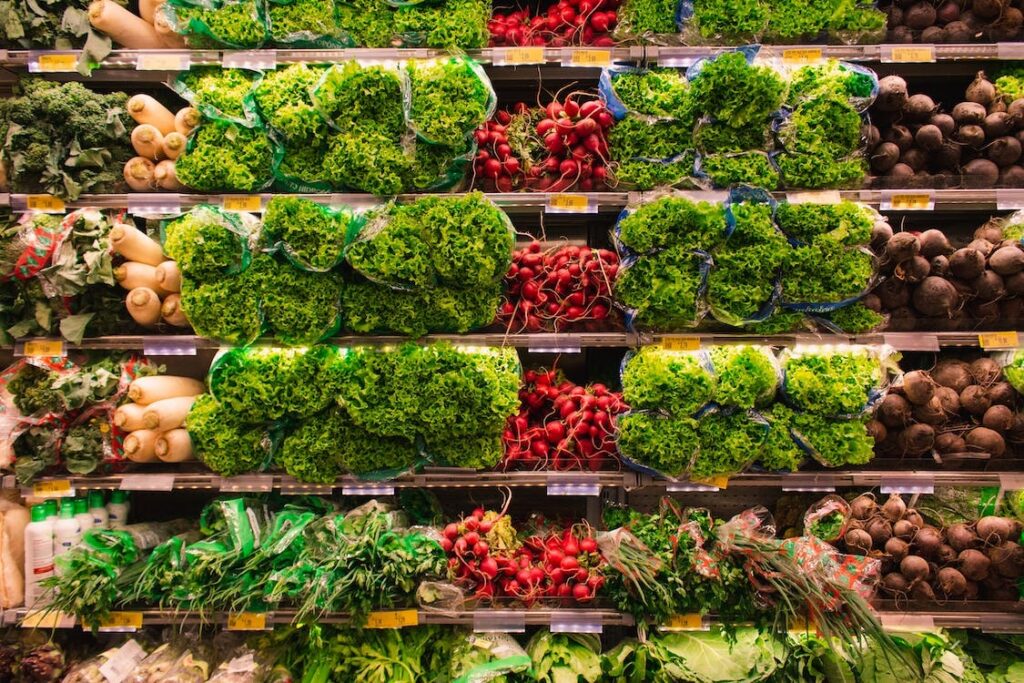
- Are fresh fruits and vegetables automatically kosher?
- Generally, many fresh produce items require little or no processing review, but processed products may involve additional kosher considerations depending on ingredients and manufacturing methods.
- Can vegan products still require kosher certification?
- Yes. Vegan status and kosher status are entirely different standards.
- Are dietary supplements eligible for kosher certification?
- Yes. Many dietary supplements, vitamins, and nutraceutical products are kosher certified, although their ingredients and manufacturing processes often require closer review than conventional foods, because components such as gelatin, glycerin, and certain processing and flavor agents can raise kosher questions that must be verified before certification is granted.
Will Kosher Certification Help Me Sell More Products?

Executive Summary
Perhaps the most important question a startup founder can ask is not “Can I become kosher certified?”
It is:
“Will kosher certification help my business grow?”
This is also one of the most misunderstood aspects of kosher certification.
Some companies view kosher certification as a powerful marketing tool that will immediately increase sales. Others dismiss it as something that only matters to observant Jewish consumers.
The truth lies somewhere between those two extremes.
Kosher certification does not guarantee commercial success. It does not replace a superior product, effective branding, competitive pricing, strong distribution, or excellent customer service.
What kosher certification can do is remove barriers to selling your products.
It can make your company eligible for opportunities that may otherwise be unavailable and increase confidence among customers who value independent third-party certification.
For many businesses, that distinction is extremely important.
What Kosher Certification Does Not Do
Before discussing the potential benefits, it is important to understand what kosher certification cannot accomplish.
Kosher certification will not automatically:
- Create consumer demand.
- Fix a weak product.
- Improve poor marketing.
- Replace a sound sales strategy.
- Guarantee retailer acceptance.
- Ensure profitability.
A product that fails to meet customer expectations will not succeed simply because it carries a kosher symbol.
Certification should be viewed as a business tool—not a substitute for good business execution.
How Kosher Certification Can Support Growth
Although certification does not guarantee success, it can expand opportunities in several important ways.
- Expanding Your Potential Customer Base
The most obvious benefit is access to consumers who specifically seek kosher-certified products. However, this market extends well beyond households that strictly observe kosher dietary laws. Many consumers view kosher certification as an additional layer of ingredient verification and manufacturing oversight. Others purchase kosher-certified products because of family traditions, dietary preferences, institutional requirements, or personal confidence in third-party certification. Every company should evaluate whether these additional customers align with its target market. - Opening Retail Opportunities
Many retailers carry substantial numbers of kosher-certified products. While not every retailer requires certification, having certified products may simplify conversations with buyers in categories where kosher products are common. For some food categories, certification has become an expected part of doing business rather than an unusual distinction. - Supporting Ingredient Sales
If your business manufactures ingredients rather than finished consumer products, kosher certification may be even more valuable. Food manufacturers frequently prefer certified ingredients because doing so simplifies their own certification programs. Ingredient suppliers with kosher-certified products may therefore have access to a broader range of manufacturing customers. - Facilitating International Business
Kosher certification is recognized throughout much of the international food industry. Importers, distributors, and multinational manufacturers often understand kosher certification and may prefer certified products for certain markets. Companies planning international expansion should evaluate whether certification aligns with their export strategy. - Strengthening Brand Credibility
Independent certification demonstrates that an outside organization has reviewed aspects of your ingredients and manufacturing processes. While consumers purchase products for many reasons, third-party verification can contribute to perceptions of transparency, consistency, and operational discipline. - Helping Meet Customer Requirements
Sometimes the greatest benefit is surprisingly simple. A customer asks: “Are your products kosher certified?” If the answer is yes, the conversation continues. If the answer is no, the opportunity may end there. Many companies pursue certification because existing or prospective customers request it—not because of direct consumer marketing.
Which Types of Businesses Benefit Most?
Although every company is different, kosher certification is often particularly valuable for:
- Ingredient manufacturers
- Dietary supplement companies
- Beverage producers
- Snack food brands
- Granola manufacturers
- Plant-based food companies
- Confectionery manufacturers
- Bakery products
- Functional foods
- Export-oriented businesses
- Private-label manufacturers
- Contract manufacturers
Companies selling business-to-business ingredients often experience different benefits than companies selling directly to consumers.
When Certification May Offer Limited Commercial Value
Kosher certification is not the right investment for every business.
For example:
A small bakery serving only a local neighborhood with no plans for wholesale distribution may decide that certification offers relatively little additional value.
Likewise, businesses operating in highly specialized niche markets with customers who never inquire about certification may reasonably choose other priorities.
The key is making an informed business decision rather than assuming certification is always—or never—the right choice.
Questions Every Founder Should Ask
Before pursuing certification, consider:
- Who are my target customers?
- Have customers already asked about kosher certification?
- Do my competitors maintain certification?
- Will certification help me approach larger retailers?
- Do I plan to export?
- Could certification help me supply ingredients to manufacturers?
- Does certification support my long-term business strategy?
These questions often provide more insight than focusing exclusively on cost.
Viewing Certification as a Strategic Investment
Founders frequently evaluate certification in terms of annual fees.
A more useful perspective may be:
What business opportunities become available because we are certified?
The return on investment may come not from immediate sales growth, but from:
- qualifying for larger customers,
- simplifying purchasing decisions,
- expanding distribution,
- entering new markets,
- increasing operational credibility.
These long-term benefits are often more significant than short-term marketing gains.
Key Takeaways
- Kosher certification does not guarantee increased sales.
- It may expand market access, strengthen credibility, and remove barriers to doing business.
- The greatest value often comes through new opportunities rather than immediate consumer demand.
- Whether certification is worthwhile depends on your products, customers, competitors, and long-term business strategy.
Frequently Asked Questions
- Will certification immediately increase sales?
- Not necessarily. Certification expands opportunities but does not replace sound marketing and business execution.
- Is certification mainly valuable for large companies?
- No. Many startups obtain certification because it supports their planned growth.
- Should I become certified simply because my competitors are?
- Competitor analysis is useful, but certification should ultimately support your own business strategy and customer needs.
