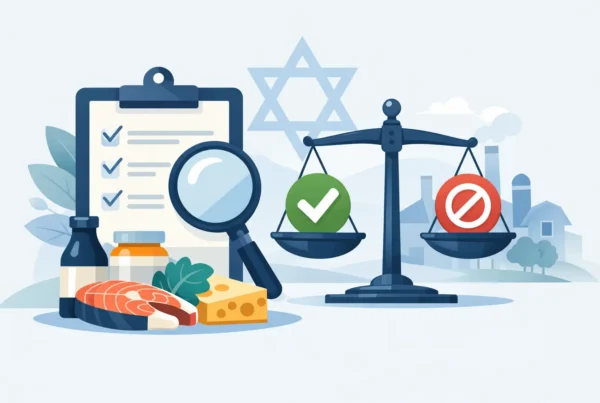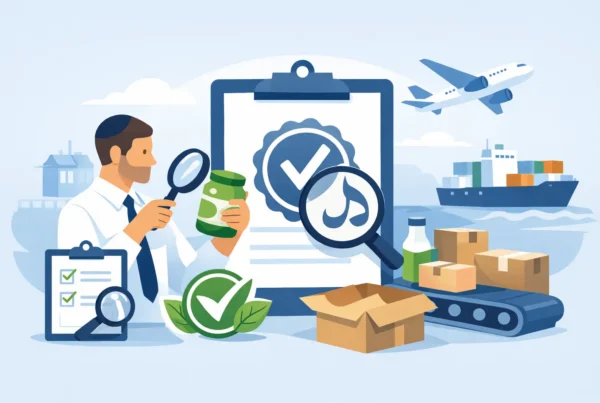


A facility inspection goes much more smoothly when your team can answer a few practical questions quickly: What ingredients enter the building? Which products run on each line? How is equipment cleaned between runs? To prepare a facility for kosher certification, you do not need to become an expert in kosher law. You do need clear records, honest communication, and a willingness to make operational details visible.
For many food, beverage, ingredient, and natural product companies, kosher certification is a business decision with real market value. Retailers, distributors, export customers, and consumers may require or prefer it. The preparation process is designed to establish whether your ingredients, equipment, processes, and labels can meet kosher requirements – and what changes, if any, are needed before approval.
What It Means to Prepare a Facility for Kosher
Facility preparation is not simply a deep cleaning before an inspection. A kosher certification agency needs to understand the full production picture: incoming materials, storage, equipment use, processing aids, sanitation, contract manufacturing, packaging, and finished products.
The level of review depends on your operation. A plant producing only shelf-stable, plant-based products may have a more straightforward path than a facility that handles dairy, meat, wine, or products made on shared equipment. Even a product with a simple ingredient panel can require careful review if a minor ingredient, flavor, processing aid, or production line has a complex supply chain.
The goal is not to catch a company off guard. It is to identify the facts early enough to create a workable certification plan. That may mean approving the operation as it stands, requesting documentation for specific materials, separating certain production activities, or arranging supervised kosherization of equipment when required.
Start With a Complete Ingredient Picture
The most useful first step is to build a current ingredient and processing-material list. Include every material used in production, not only what appears on the finished product label. This is where many first-time applicants lose time: an ingredient statement may omit processing aids, lubricants, antifoams, release agents, carriers, enzymes, and sanitation-related materials that can still matter to the review.
For each item, provide the supplier name, manufacturer when different, item number, product specification, and current kosher documentation if available. Keep formulas or bills of materials alongside this list. If your company uses multiple versions of a formula, seasonal substitutions, or backup suppliers, identify those as well.
Do not assume that an ingredient is acceptable because it is natural, vegan, organic, or non-GMO. Those descriptions can be valuable to your brand, but they do not answer every kosher question. A natural flavor, for example, may have carriers or processing components that need review. The same is true for vitamins, cultures, emulsifiers, and specialty extracts.
Review suppliers before making changes
If a material does not have acceptable kosher documentation, that does not automatically mean it cannot be used. Sometimes the certifier can review the material directly with the supplier. In other cases, a comparable approved ingredient may be the most efficient solution.
The practical trade-off is time versus flexibility. Keeping an existing supplier can reduce reformulation work, while moving to a documented alternative can simplify ongoing compliance. Your certification contact can help you evaluate the operational impact before you make a costly change.
Map Equipment, Lines, and Production Flow
Next, create a simple map of how products move through the facility. It does not need to be an engineering drawing. A clear outline of receiving, storage, blending, cooking, filling, packaging, warehousing, and shipping is often enough to begin a productive review.
Identify shared equipment, especially tanks, kettles, mixers, heat exchangers, ovens, fryers, fillers, hoses, pumps, and utensils. Explain which products run on each piece of equipment and how often changeovers occur. If non-kosher materials, dairy products, meat products, or grape-derived ingredients are handled in the facility, be direct about it. Clear disclosure early is far easier than correcting an incomplete understanding later.
Heat is often a key consideration. Equipment used with hot products can have different kosher implications than equipment used only for cold processing. The inspection may also examine whether equipment is cleaned in place, disassembled, steam cleaned, or washed with portable systems. Details such as water temperature, contact time, and the order of production can matter.
Do not attempt equipment kosherization on your own
Some facilities require a process commonly called kosherization before particular equipment can be approved. The exact method depends on the equipment, its previous use, temperatures, and other operational facts. It may involve a defined cleaning period, heating procedures, or rabbinic supervision.
This is not a one-size-fits-all maintenance task. Do not schedule major downtime or change cleaning practices based on general online guidance. A qualified rabbinic representative should review the situation and provide instructions that fit your plant. Early planning is especially helpful when your equipment runs continuously or has limited downtime windows.
Organize the Documents Your Inspector Will Need
Good documentation does not need to be elaborate. It needs to be current, complete, and easy for the right people to access. Before the inspection, designate one operations contact who can gather records and coordinate questions with purchasing, quality assurance, production, and warehouse staff.
A well-prepared document package generally includes:
- Current ingredient, processing-aid, and packaging-material lists
- Product formulas, specifications, and finished-product labels
- Supplier information and kosher certificates for relevant materials
- A list or map of production equipment and shared lines
- Cleaning and sanitation procedures, including changeover practices
- Production schedules or examples of typical production sequencing
For contract manufacturers, co-packers, or warehouses, clarify who controls each part of the process. Certification may involve more than the brand owner’s office. If your product is made in one facility, stored in another, and transported in bulk by a third party, those relationships should be discussed at the start.
Prepare Your Team for the Inspection
An inspection is most productive when the people who know the operation are available. In a smaller company, that may be the owner and production manager. In a larger plant, it may include quality assurance, purchasing, sanitation, maintenance, and scheduling personnel.
The inspector may ask to see ingredient labels in the warehouse, trace a material to a specific formula, observe equipment, and discuss how a line is cleaned and scheduled. Staff do not need rehearsed answers. Accurate answers are better than quick guesses. If someone does not know the answer, note the question and follow up with the record or person who does.
It also helps to walk the facility beforehand. Look for unidentified containers, outdated ingredient lists, materials moved between containers without clear labels, or equipment that is used differently than written procedures describe. These are ordinary operational issues, but resolving them before the visit reduces confusion.
Plan for Labels and Ongoing Control
Kosher approval is not complete until product labeling is approved. Do not print new packaging with a kosher symbol until you receive authorization. The symbol, its placement, product name, and any qualifying designations must match the approved certification scope.
Once certified, the most successful companies build kosher control into normal change-management procedures. When purchasing wants to add a supplier, research and development revises a formula, operations adds a line, or marketing introduces a new SKU, the certification agency should be consulted before the change goes live.
This approach protects more than compliance. It prevents expensive label reprints, production holds, and last-minute ingredient substitutions. It also makes annual renewals easier because the company has maintained a clear record of what changed and when.
Use Early Questions to Save Time and Cost
Companies sometimes wait to contact a certifier until every document is perfect. That can create unnecessary delay. A preliminary conversation can reveal the most important information to collect, flag potential concerns, and help your team avoid work that does not apply to your facility.
EarthKosher works with companies that need a clear, responsive path through this process, particularly businesses that do not have a large compliance department. The right guidance should make certification understandable and doable, not add layers of confusion to your production schedule.
The best time to prepare is before a new product launch, supplier change, or customer deadline creates pressure. A facility does not need to be flawless before the first conversation. It needs to be transparent, organized, and ready to work through the details with a certification partner.